KSA and Top Award Guidance Pages
Clear, practical guidance to help young people and leaders understand the King’s Scout Award requirements, avoid common pitfalls, and submit a logbook that’s right first time.
Introduction and top tips for your logbook
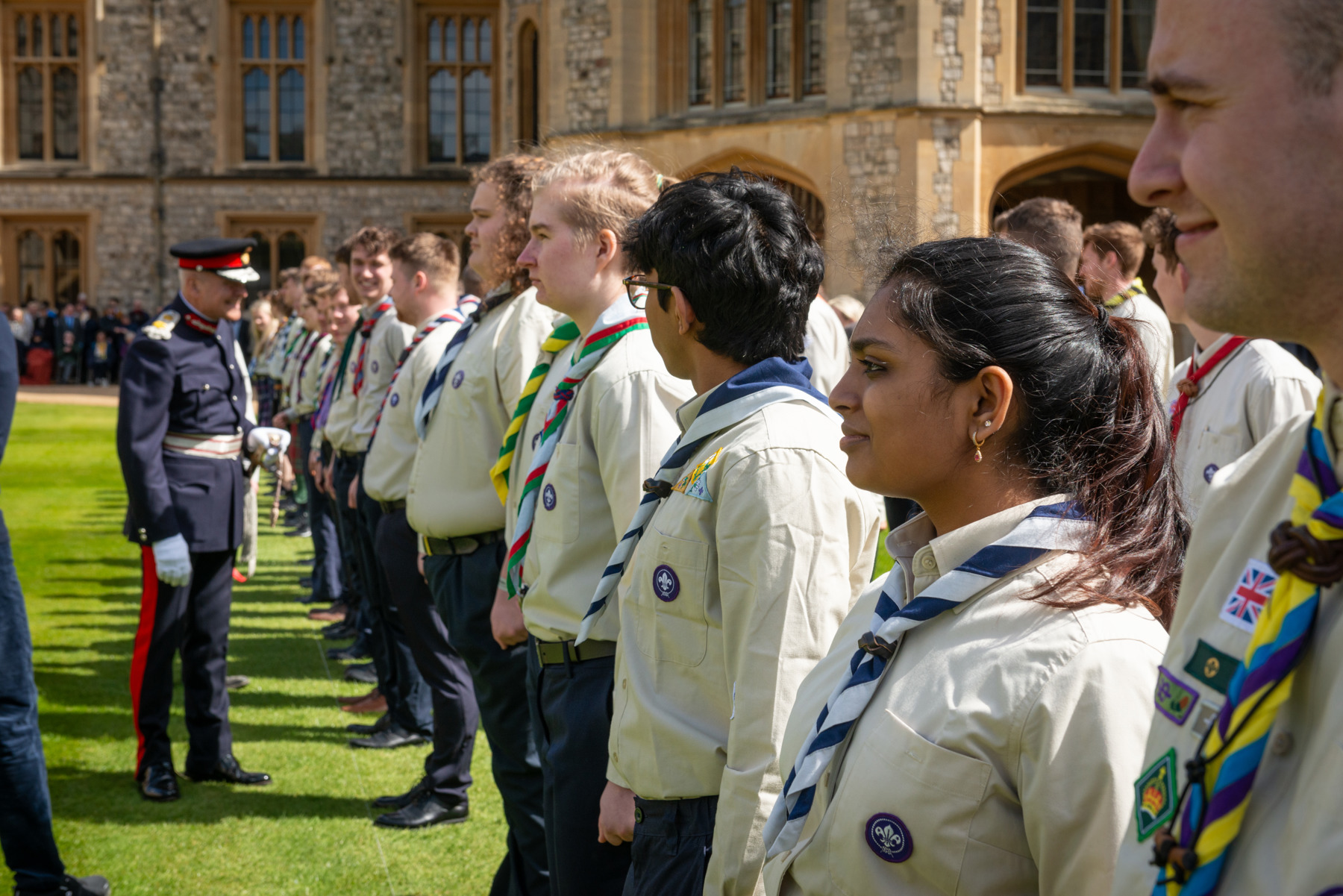

The King’s Scout Award (KSA) is the highest youth achievement in Scouts. It recognises sustained commitment, personal development, and meaningful service. Every submission is reviewed carefully by UK National Volunteers.
To help you succeed, this guidance highlights the key things to include and the common areas people sometimes overlook. With the right preparation, your logbook can show what you have achieved and be approved first time.
This information is here to support both young people completing the award and the leaders who guide and sign it off. It explains what reviewers are looking for so you can feel confident in your submission.
If you need more help or want to double check anything, your local 14–24 Team Lead or the Scout HQ Support Centre will be happy to support you.
Top Awards guidance structure
This guidance is organised to mirror the structure of the Top Awards requirements. Each section corresponds directly to the relevant requirement. You will find the specific criteria at the top of the page. Supporting guidance and helpful tips are provided beneath to assist you in completing your submission effectively.
King's Scout Award Logbook
The King's Scout Award (KSA) Logbook is the official record of your progress towards achieving the highest youth award in Scouts. It is used to document all your achievements and evidence from the King's Scout Award requirements, including your challenges, International, Community and Values (ICV) activities, expedition, residential experience, final presentation, and any linked achievements from your Explorer Scout and Scout Network Top Awards journey.
Every section must be completed and signed by an appropriate independent assessor before your award can be approved locally and by UK Headquarters.
To make sure you are using the correct version, always download the latest KSA Logbook and Completion Form from the King's Scout Award page. You can find the current logbook in the Tips section on the right-hand side of that page before starting or updating your submission.
Top tips for filling in your logbook
Your logbook is where you show that what you’ve done actually meets the award requirements. The activity itself matters, but how you explain it matters just as much. These tips are based on the most common reasons logbooks get queried, delayed, or sent back.
Write your logbook so someone who doesn’t know you, your unit, or your project can still follow it. Don’t assume the reader knows the background or the context.
If something was agreed in advance with a mentor, say what was agreed and why. If you’re using the “any other agreed activity” option, explain in the first paragraph what the activity was agreed as and how it meets the aim of that ICV. If it isn’t written down, reviewers can’t see it.
ICVs are meant to be progressive across Platinum, Diamond and the King’s Scout Award. Your logbook should make it clear how the activity matches the level you’re working towards.
As the award level goes up, reviewers expect to see more responsibility, planning, leadership, or impact. If something ran over time, show that clearly. A series of sessions shouldn’t look like a one‑off. Start and end dates matter, especially for programmes, expeditions, Explorer Belts, and SOWAs.
Always include:
- when the activity started and finished
- how many sessions or days were completed
- what actually happened, not just the title
Words like complete and present are taken literally. If something hasn’t finished, or a presentation hasn’t happened, the ICV isn’t complete. Open‑ended or ongoing activities often lead to follow‑up questions.
Write in the first person. Even if you worked as part of a group, this is your award, so it needs to be clear what you personally did.
This matters most for group activities, expeditions, SOWAs, or unit‑run projects. Reviewers need to see your contribution, not just what everyone did together. Writing lots of “we did…” without explaining your role often causes delays.
If you organised sessions or programmes, break them down. Listing dates with a short note on what you planned, led, or supported in each session makes things much clearer and easier to review.
Good logbooks don’t just list what happened. They also explain:
- what went well
- what was challenging
- what you learned
- what you’d do differently next time
Short reflections and feedback help show impact and personal development, especially at Diamond and King’s Scout level.
Your presentation is part of the requirement, not an extra. Make sure the logbook and sign‑off show:
- who the audience was and why they were appropriate
- what format the presentation took
- that all required elements were covered (KSA challenges, DofE, or Gateway award, depending on your route)
The sign‑off should come from an appropriate person and be more than a single sentence. Weak or unclear sign‑offs are one of the most common reasons logbooks are returned.
ICVs can link well with other awards and roles, such as DofE, the Young Leader Award, Explorer Belt, SOWAs, or leadership opportunities. If you’re building on earlier work, explain the journey and how your responsibility increased over time.
Don’t double‑count awards unless it’s clearly allowed. For example, an Explorer Belt can’t count as two separate ICVs, even though the nights away may still count elsewhere.
Clear structure really helps. Headings, short paragraphs, and session breakdowns make a big difference. If a reviewer can quickly see what you did, when you did it, and why it counts, you’re far less likely to be asked questions or delayed.
If you’re unsure, it’s usually better to write a bit more rather than less. Clear beats brief every time.
Final Tip
All top awards work the same way: you get out what you put in. If you challenge yourself and clearly explain that effort in your logbook, it’ll be easier to sign off and far more meaningful when you look back on it.