Talking about race and racism
Learning about race and racism and talking about it with our young members.
The world is always changing, and we want to help young people feel ready for it. By giving them the tools to have open conversations and engage with diverse people, we can help them build the confidence to be inclusive and respectful. This way, they’ll have the skills they need to create strong, supportive communities wherever they go.
We all see the world differently because of our experiences. Where we grow up, who we meet, what we learn and what we see all shape how we think, act and understand others. Recognising this helps us be more open and inclusive in our interactions.
Assumptions can help us understand people quickly, but they can also cause harm. They can lead to unfair treatment and make people feel left out, unimportant, or misunderstood. When we assume things about someone’s ethnicity, background, or abilities, it can hurt their confidence and make them feel like they don’t belong. These assumptions can have bigger effects than we realise, damaging relationships and making it harder for everyone to feel included.
What do I need to know?
-
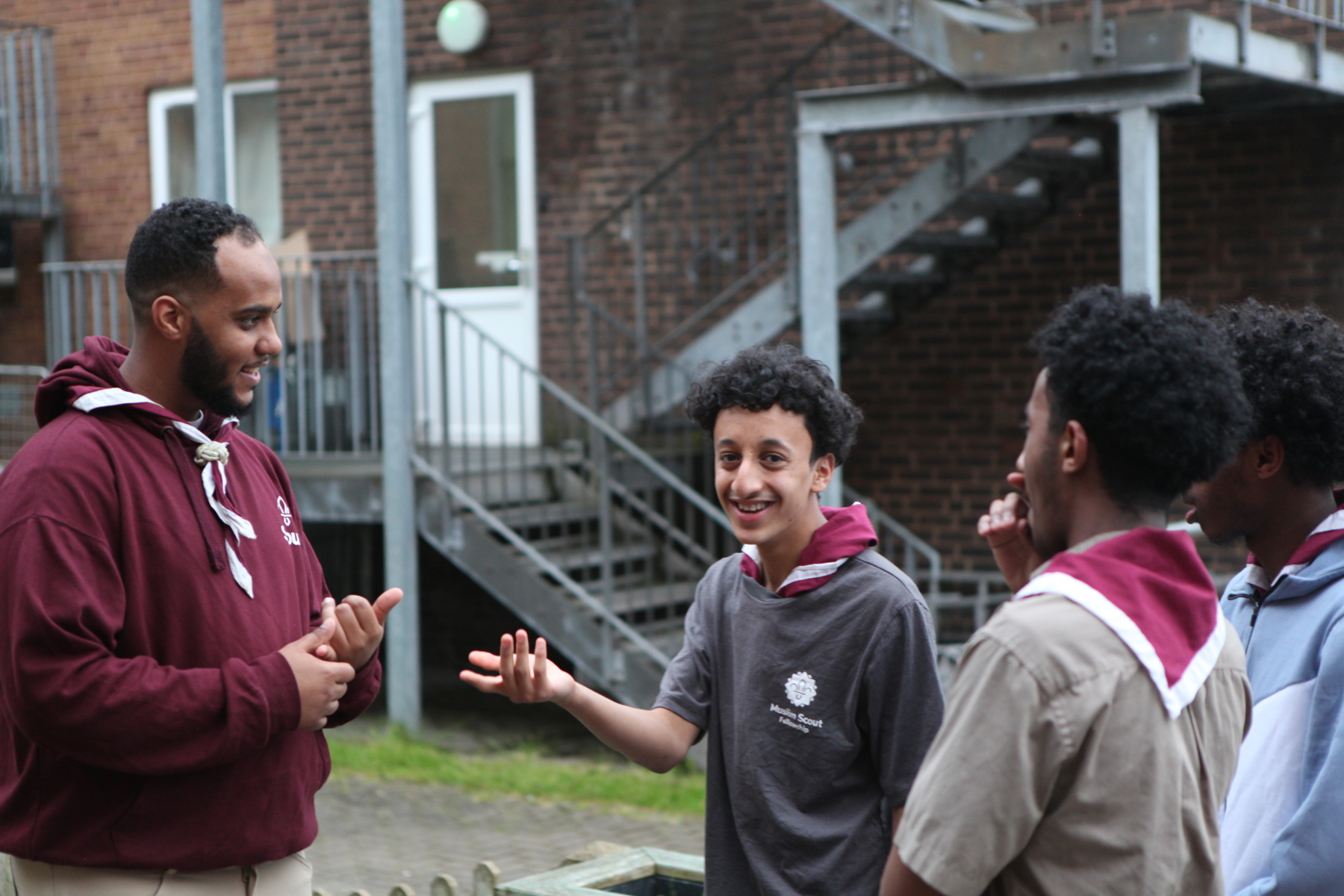
We’re all responsible for living by The Scout Promise, Law and Values and making Scouts a place that’s inclusive of all races and ethnic backgrounds. That means calling out discriminatory behaviour, using inclusive language and making sure everyone feels welcome.
-
Small steps can have a big impact in helping young people and volunteers from Black, Asian and minority ethnic backgrounds feel included and thrive at Scouts. For example, you could learn how to say everyone's name correctly, celebrate awareness dates and read books to help young people learn about the world around them.
-
It’s never too early to talk to young people about race and racism. Even a short chat during a Section Night, using age appropriate books, videos or activities can help young people be kinder and more aware. We've got lots of resources to help you get started.
If we don’t talk about race or racism, it doesn’t mean the issues disappear. Instead, unspoken biases and assumptions continue unchecked, which can negatively impact young people and volunteers from underrepresented backgrounds.
Talking about race and racism isn’t just about tackling challenges - it’s about living by our Scouts Values. When we engage in open conversations, we show care, respect and integrity, creating a more welcoming and inclusive community for everyone.
We've got lots of resources to help you learn and talk about race and racism. Choose what resources are best for you, the volunteers and young people in your area.
Language and terms
We know some people prefer to use different terms. It’s important to respect how people describe themselves.
In 2020-2021, Scouts carried out a race equity review. We spoke to members from Black, Asian or minority backgrounds about language. Most people wanted us to use the language ‘Black, Asian and minority ethnic backgrounds’ - the full phrase, not an acronym.
Be specific
Be specific about groups you’re talking about when you know, and talk about specific experiences, for example ‘Black Caribbean’, ‘Bangladeshi’, ‘South East Asian’ rather than ‘Black, Asian and minority ethnic’.
Champion lived experience
Prioritise lived experience when talking about race and racism, using terms and language that people and groups use to describe themselves.
Be open to learning
There are many problems with categorising people into groups, and language is always evolving. It’s OK not to have all the knowledge – what’s important is taking responsibility for your own learning.
Learning about race and racism
At Scouts, we can explore race and ethnicity all year round by marking awareness events like Black History Month and including activities in the programme.
Find local events
Look for free exhibitions at local galleries and museums, and big events like Notting Hill Carnival. You could arrange a visit or share the details with your Scout network.
Host your own carnival
Make colourful headbands, try Caribbean flavours and get dancing to carnival music as part of our Let’s celebrate Caribbean carnival activity.
Explore themes
In 2023, the theme for Black History Month was 'Saluting our Sisters'. This theme highlights Black women’s achievements. Use themes like this to guide your learning and activities or create your own.
Inspire through stories
Include the stories of Black and Brown people in your programme. For example, if your Section is learning about famous sports people, you could share the stories of Lewis Hamilton, our Chief Scout Dwayne Fields, or our Scouts ambassadors, Saray Khumalo and Liam MacDevitt.
Read this blog
Take a look at this blog to find more ways to learn about Black history and culture all year round.
Watch our 2025 Black History Month short series
Hear from UK volunteers about why it's important to celebrate Black History Month, everyday inclusion, our Scouting in Black Communities project and more.
Talking about race and racism
No one is too young to start talking about race and racism. Studies have shown that babies as young as six months can notice physical differences including skin colour, and by Squirrels age, young people can already show signs of racial bias.
It’s important to talk openly about race and racism, as we know children are already exposed to biases. Open and honest conversations that explore the world around us and why we think certain things can help break down these biases and make our spaces more inclusive.
Every age group needs a different approach. Younger age groups may not yet understand complex ideas, but they can learn the basics of kindness and fairness. Older Scouts might be ready for deeper conversations about race and the world around them. We’ve got resources to help you have these discussions in an age-appropriate way.
Read tips for starting conversations with young people
-
Talking to your kids about racism: UNICEF – this guide has information on talking to different age groups.
-
Explaining Race - Sesame Workshop – this activity is designed for Squirrel-age children.
-
Show racism the red card has an education hub, with activities around Black History Month, the Migrant Voice Project, Anti-racism, Antisemitism, Islamophobia, Early Years resources, Gypsy, Roma and Traveller.
Use books to bring concepts to life
Books for adults
-
Why I’m No Longer Talking to White People About Race by Reni Eddo-Lodge
-
Diversify by June Sarpong
-
How To Be an Antiracist by Ibram X. Kendi
-
Don’t Touch My Hair by Emma Dabiri
-
Me and White Supremacy by Layla F. Saad
-
Brit(ish) by Afua Hirsch
-
Black and British: A Forgotten History by David Olusoga
-
The Good Immigrant, edited by Nikesh Shukla
Picture books
-
A Is For Activist by Innosanto Nagara
-
Let's Talk About Race by Julius Lester, illustrated by Karen Barbour
-
Brick by Brick by Giuliano Ferri
-
My Skin, Your Skin: Let's Talk about Race, Racism and Empowerment by Laura Henry-Allain MBE
Books for 4-10 year olds
-
The Day You Begin by Jacqueline Woodson, illustrated by Rafael López (4–8 years)
-
Something Happened in Our Town by Marianne Celano, Marietta Collins and Ann Hazzard, illustrated by Jennifer Zivoin (4–8 years)
-
Don't Touch My Hair! by Sharee Miller (4-8 years)
-
Amazing Grace by Mary Hoffman, illustrated by Caroline Binch (6–8 years)
-
Malcolm Little: The Boy Who Grew Up to Become Malcolm X by Ilyasah Shabazz, illustrated by AG Ford (6–10 years)
Books for young adults
-
A Change Is Gonna Come from contributions including Tanya Byrne, Inua Ellams, Catherine Johnson, Patrice Lawrence, Ayisha Malik, Irfan Master, Musa Okwonga and Nikesh Shukla
Find out more online
Share resources from the media with young people
From Blue Peter:
From CBBC:
From Newsround:
Learning through action
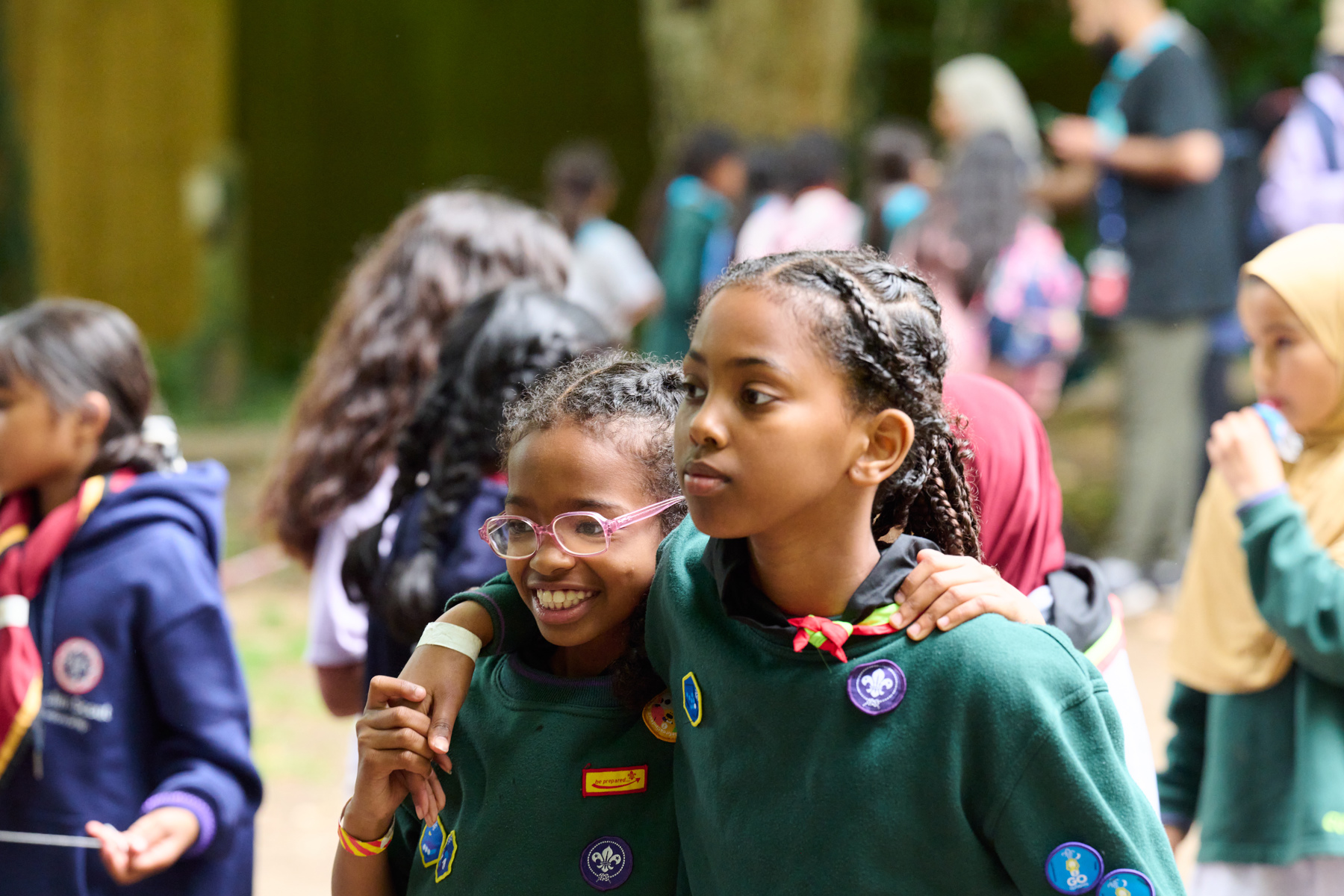
At Scouts, we’re all on a journey to learn and grow, especially when it comes to discussing race and creating inclusive spaces. It’s OK not to have all the answers – what matters most is being curious, open, and willing to listen to people with lived experience.
If you find yourself using the wrong term, language, or concept, it’s an opportunity to learn. In the moment, acknowledge the mistake, apologise sincerely, and focus on moving forward. Afterwards, reflect on what you’ve learned and how to do better next time.
Remember, people from Black, Asian, and minority ethnic backgrounds may encounter microaggressions and discrimination frequently. It’s natural to feel uncomfortable sometimes – what’s most important is listening, learning, and showing genuine care through your actions.
You can find helpful guidance in the resources linked above, including how to stand up against offensive or discriminatory language. For more advice, check out this guide on calling in and calling out.
Awareness dates
Here are some awareness dates that you could celebrate at Scouts:
Windrush Day (June)
South Asian Heritage Month (July to August)
UK Black Pride (August)
Black History Month (October)
Take a look at our activities to celebrate Black History Month.
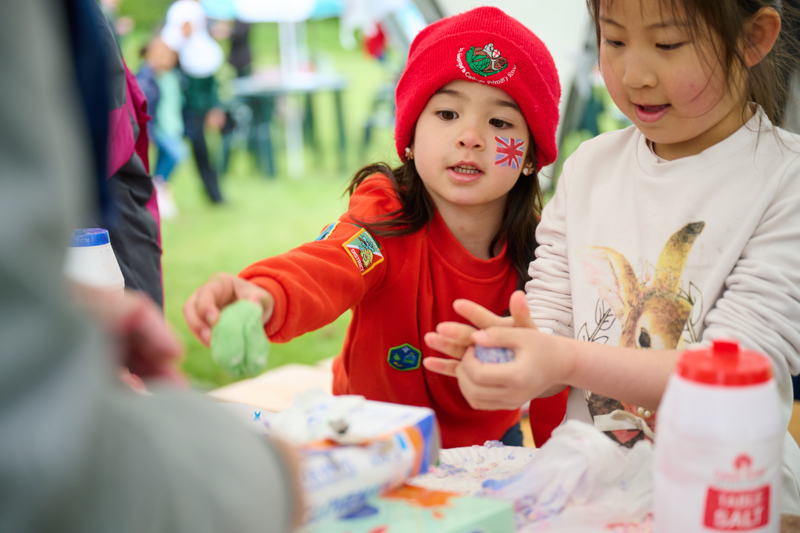
Our activity collection will help you celebrate different cultures and ethnicities in your programme.
Badges
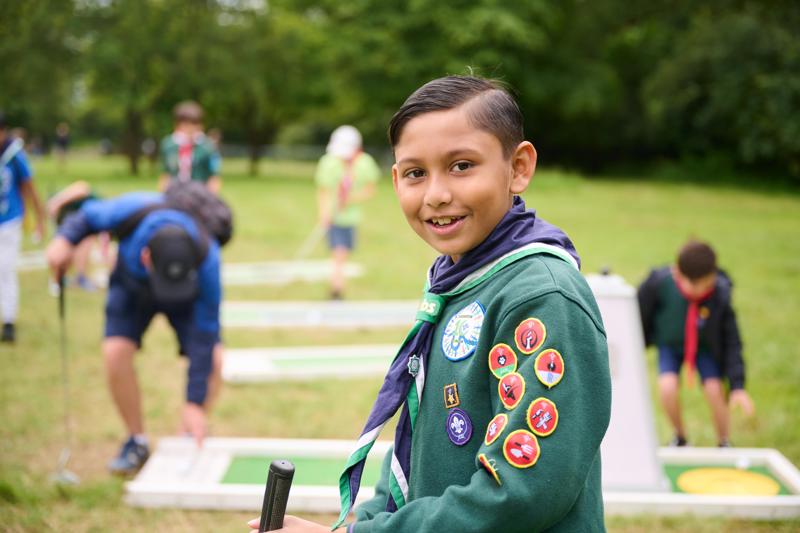
Celebrating diversity is key to developing skills for life. Our Top Awards include activities that explore the world and local communities. Check out the Challenge Awards for ideas to include diversity in your programme.
-
All Around Us Challenge Award (Squirrels)
-
My World Challenge Award (Beavers)
-
Our World Challenge Award (Cubs)
-
World Challenge Award (Scouts)
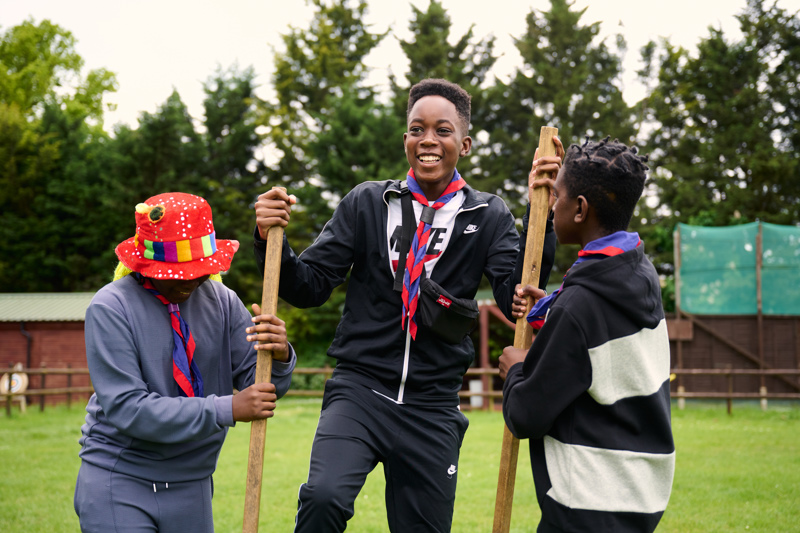
The Furthering Reach Toolkit can help you better understand communities in your local area. Can you take the next step to reach out and engage with communities who might not be part of Scouts yet?
Stories of success
Share your stories of celebration or success with the wider Scout movement. We’d love to hear how you’re celebrating diversity.
Share your stories of successShare your feedback
We’re committed to learning together. We'd love to hear from you if you have resources or feedback to share.
Provide your feedback