How to help young people feel safe and included
Here are some recommended activities Scouts volunteers can use in meetings to help young people feel safe and included.
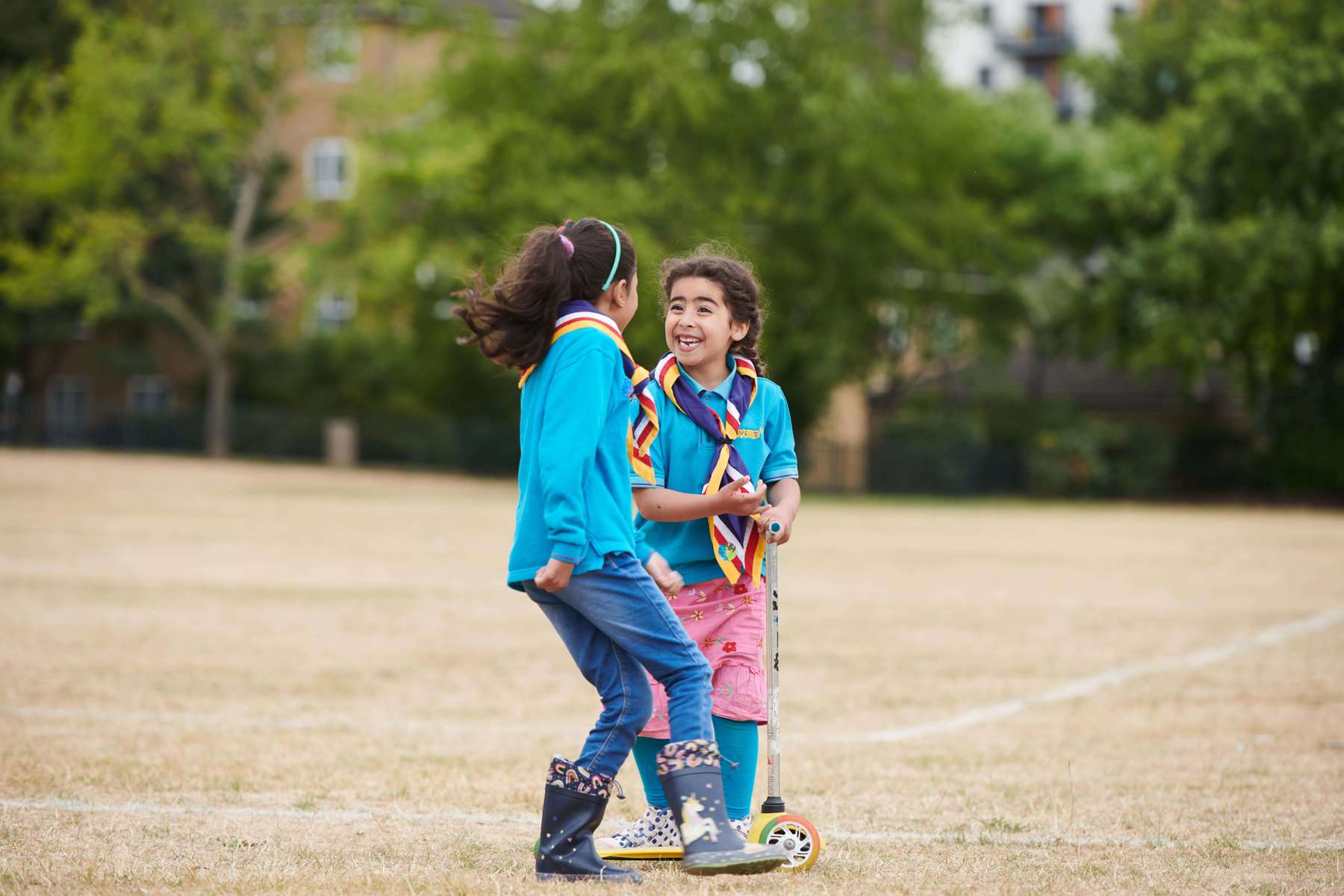
Getting to know each other
These activities are designed to help young people build connection, trust, and mutual understanding within their group. They use interactive, reflective, and creative methods to:
- Break the ice and encourage participation in a relaxed way When the Wind Blows.
- Explore personal identities and discover shared experiences, fostering empathy and belonging Someone Like Me.
- Celebrate the unique culture of the group and express it in a way that welcomes others Our Group, Our Culture.
Together, these activities create a foundation for inclusive, respectful relationships, where every young person feels recognised and valued.
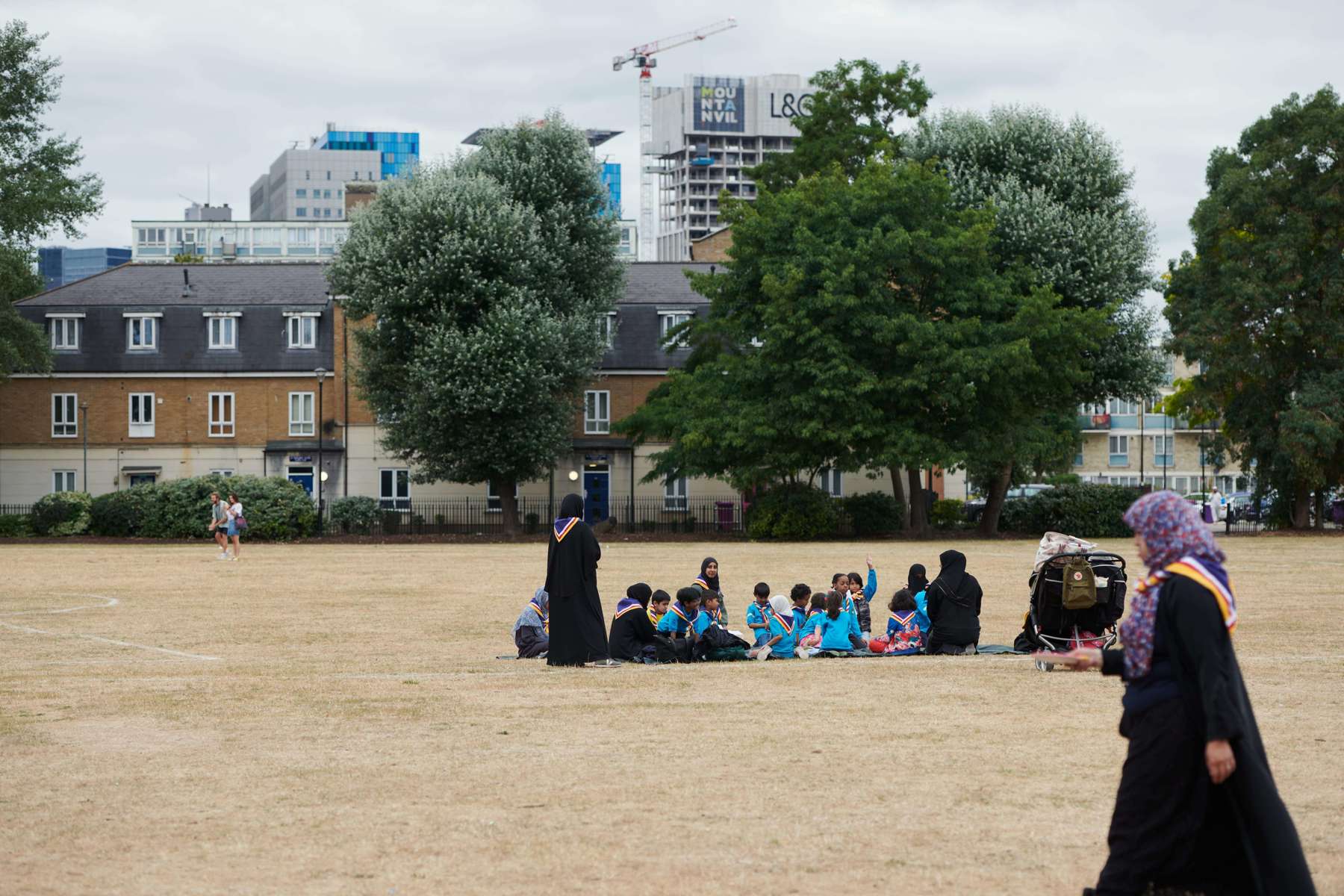
Connecting with communities
These activities are designed to help young people build meaningful relationships beyond their immediate group, fostering a sense of belonging in wider society.
They encourage:
- Strengthening bonds with other Scout groups and diverse communities (Making Connections).
- Taking positive, practical action to promote inclusion and social change (Be the Change).
- Gaining new perspectives by learning about and experiencing different cultures or faiths (Interacting with Different Communities).
- Spreading empathy and goodwill through simple, creative acts of kindness (Make Kindness Cards).
Together, these activities develop cultural awareness, social responsibility, and active citizenship, helping young people feel confident in engaging with and contributing to the communities around them.
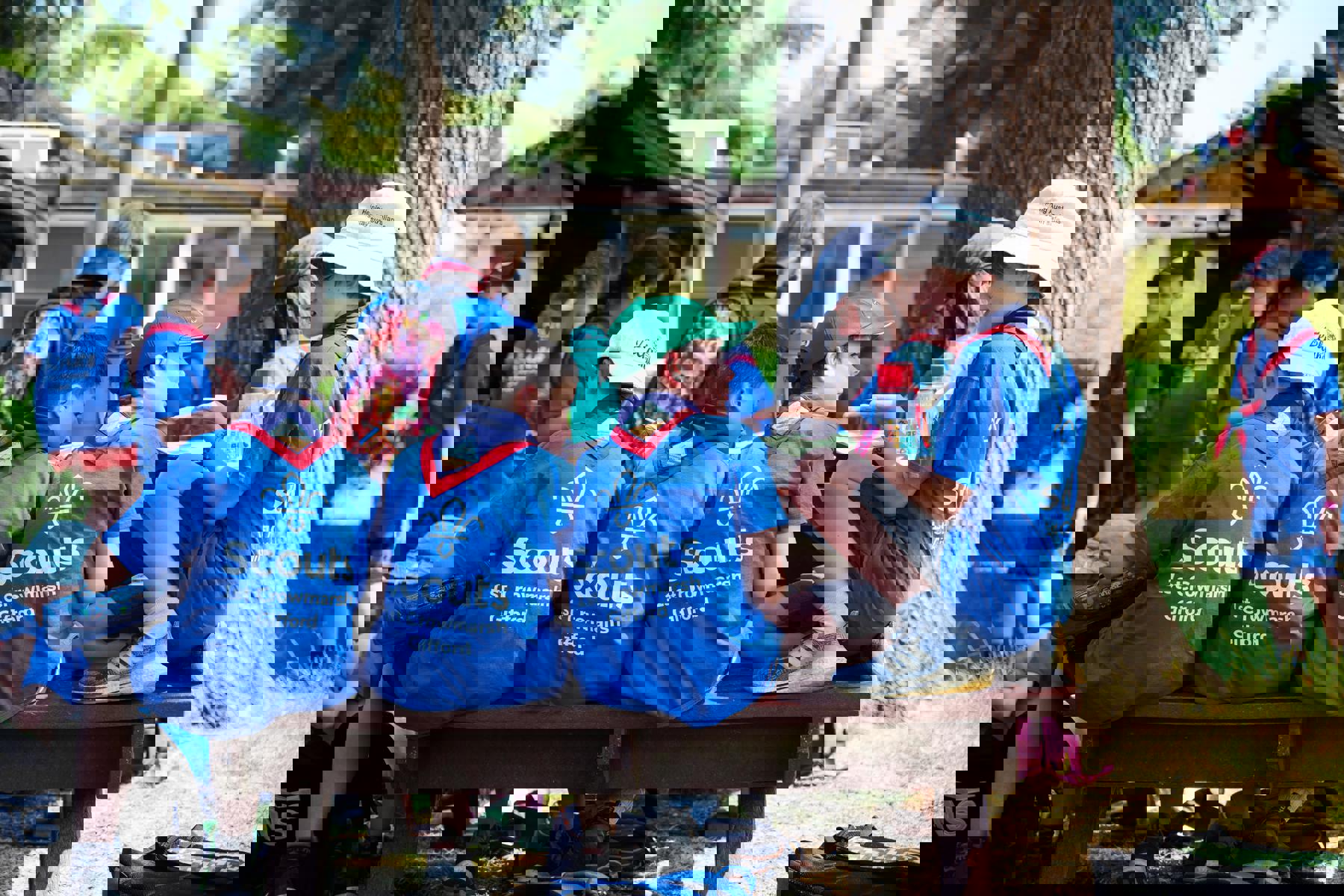
Culture and history
These activities are designed to help young people explore, appreciate, and celebrate the diversity of traditions, histories, and customs that shape our world.
They encourage:
- Discovering cultural symbols, art forms, and celebrations from different parts of the world (Play Catch the Dragon’s Tail, Henna Hands, Make Samba Shakers).
- Learning about significant historical contributions and experiences, particularly within Black British history (Make a Black History Timeline, Watch a Film to Celebrate Black History Month).
Together, these activities build cultural literacy, challenge stereotypes, and promote respect for global heritage, helping young people value both their own backgrounds and those of others.
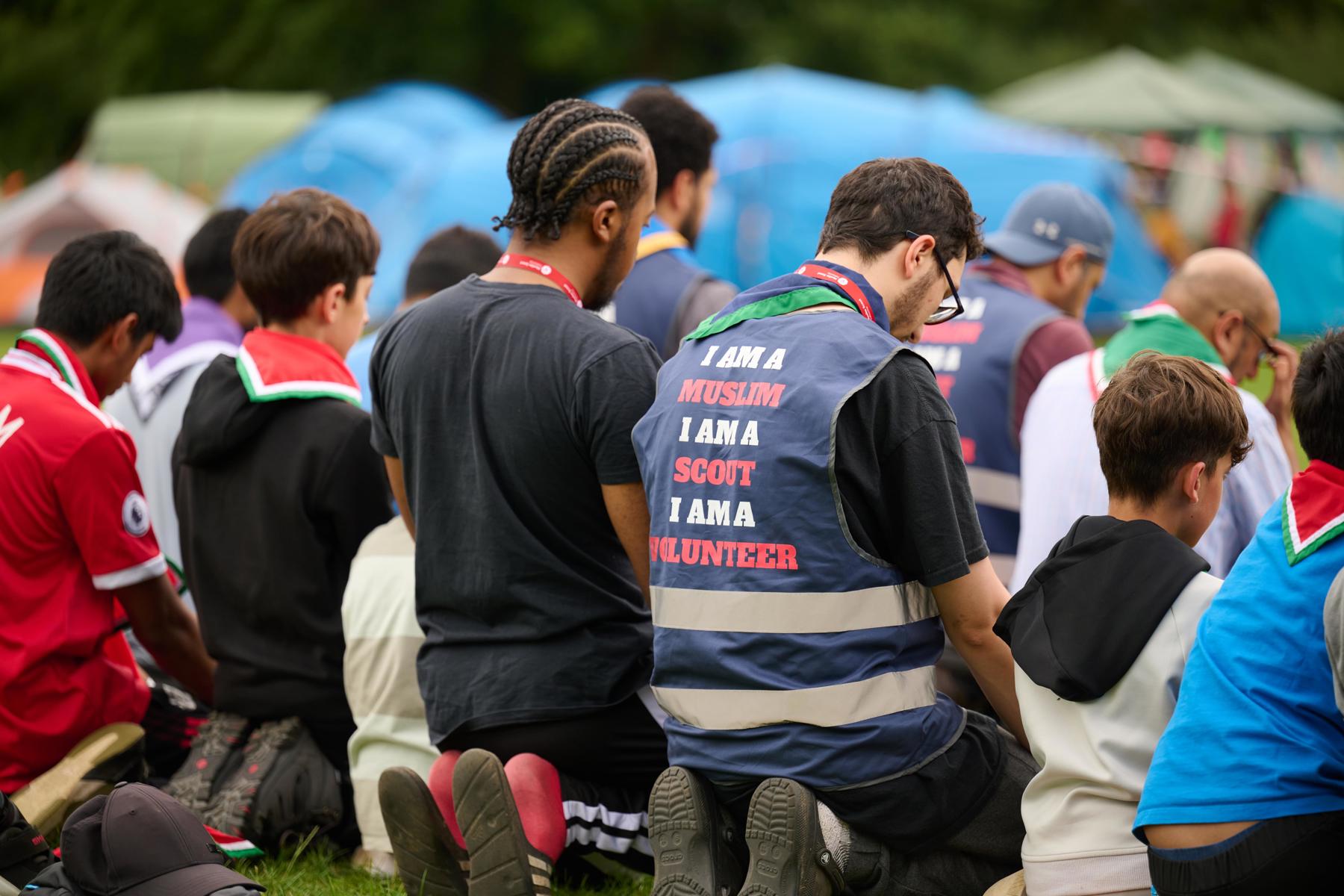
Faith and belief awareness
These activities are designed to help young people explore and appreciate the diverse ways that faith and belief are expressed around the world.
They encourage:
- Understanding how beliefs shape actions, values, and traditions (Faith Feathers, Learn About Different Religious Festivals, Learn about the Black Stone).
- Learning about and celebrating religious festivals through creative, hands-on activities (Celebrate Festival of Colours (Holi), Make a Date Shake).
Together, these activities foster respect, empathy, and open-mindedness, helping young people engage positively with people of all faiths and beliefs, and feel confident in navigating a diverse society.
Exploring equity and bias
These activities are designed to help young people recognise, reflect on, and challenge unfairness and unconscious bias.
They encourage:
- Understanding how inequities affect individuals and groups, and exploring strategies for fairness (Equity Spaghetti)
- Recognising personal and social biases, particularly how similarity and difference influence relationships (The Tag Game).
Together, these activities build awareness, empathy, and critical thinking, equipping young people to contribute to more inclusive and equitable environments.