Inclusivity
Contents
- Reflecting on new beginnings
- Refocusing our priorities
- Renewing our promise to help other people
- Our purpose and method
- Skills for Life: Our plan to prepare better futures 2018-2025
- Growth
- Inclusivity
- Youth shaped
- Community impact
- Three pillars of work
- Youth programme
- Volunteering
- Perception
- The impact of Scouts on young people
- Keeping young people safe
- Safeguarding
- Fundraising
- Our finances
- Trustees' responsibilities
- Independent Auditor’s Report to the Trustees of The Scout Association
- Consolidated statement of financial activities
- Balance sheet
- Statement of cash flows
- Notes to the financial statements
- Our members
- How we operate
- Governance structure and Board membership – 1 April 2024 to 31 March 2025
- Our thanks
- Investors in People
Inclusivity
Aim
To make sure Scouts is open to everyone and a place where young people feel they belong and can thrive.
We make sure we understand the opportunities to make this happen, to do the work and spread this inclusive message, particularly to those communities currently underrepresented in Scouts.
We’re always ready to learn, asking ‘How can we do Scouts differently, in order to guarantee it’s inclusive?’ This means partnering with those who can help us remove any barriers that might stop underrepresented communities from taking part, and engaging and working within the communities too.
We always put research front and centre in what we do, guiding how we support young people. We work in an evidence-based way. This ensures sustainable and impactful cultural change by grounding our decisions in data. We believe measurable progress and continuous improvement is pivotal for the long-term cultural change needed to make Scouts more inclusive.
We’re passionate about this ever-evolving process.
Goals
By 2026, we plan to:
- Continue working towards the goal of 5% of our volunteers coming from Black, Asian and minority ethnic backgrounds. The current figure is 3.8%.
- Increase inclusion and representation by continuing to actively engage with underrepresented communities, through partnerships and cooperation.
- Equip our movement with the skills and confidence needed to support diversity and inclusion, with the help of accessible learning and resources.
- Further explore diversifying our UKHQ volunteering leadership to make sure our leaders, and the decisions they make, reflect the communities we serve.
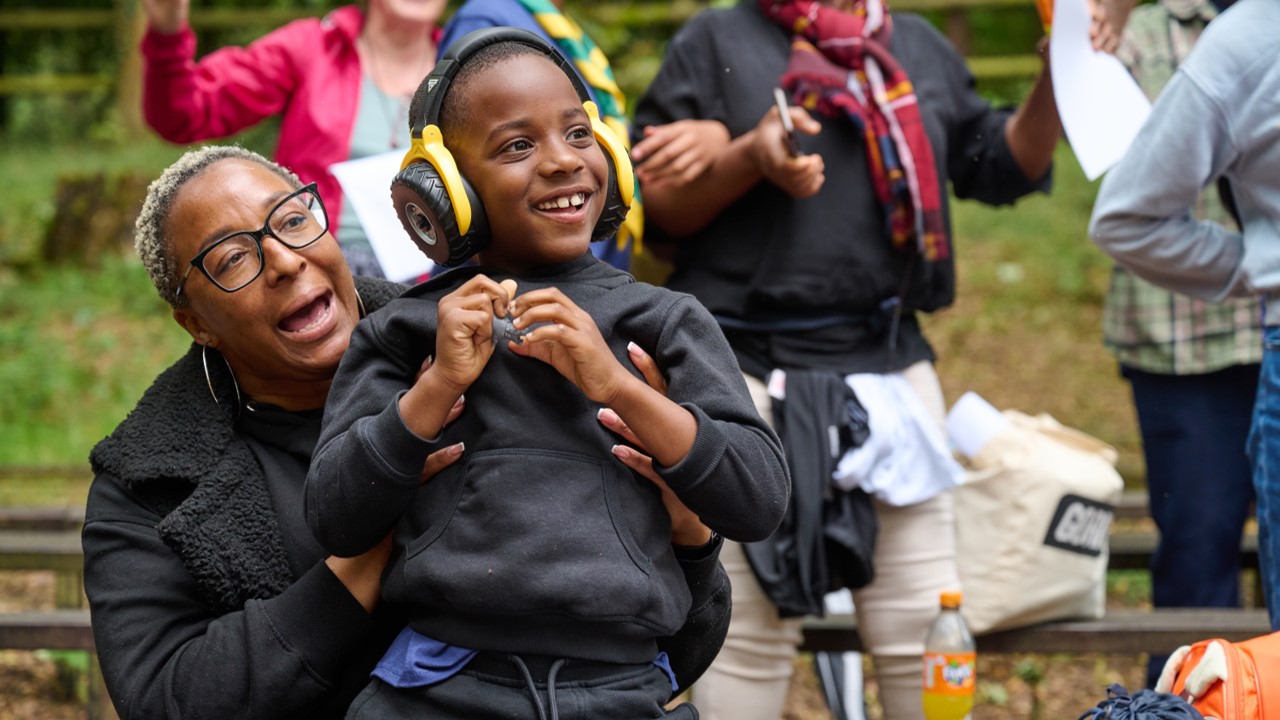
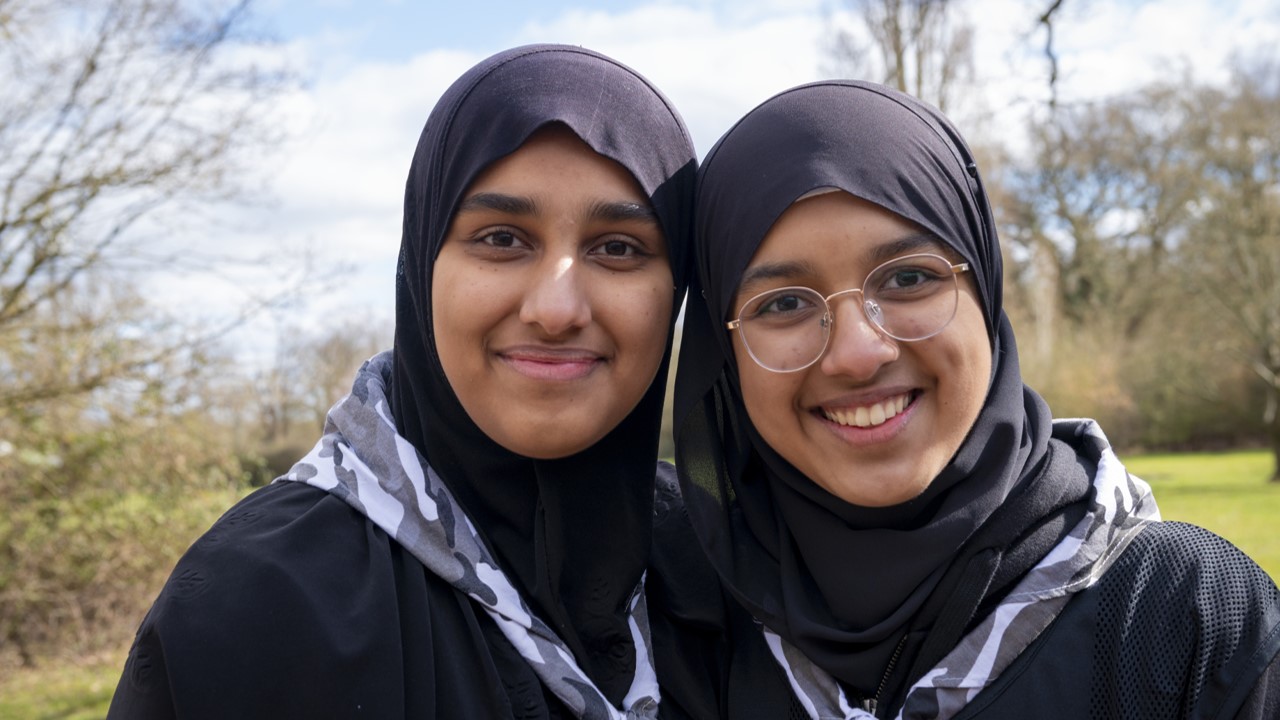
Scouting in Black Communities
- Our Programme of Work (PoW), that’ll support volunteers as they strive for inclusivity, continues to be driven by a staff and volunteer team focused on three key priority areas:
- Piloting Scouts in Black communities
- Supporting neurodivergent members
- Diversifying our UKHQ appointments
- We’re proud to have developed an ever-expanding bank of resources, tailored to the needs of our movement, that’s informed by feedback from both volunteers and young people.
- We’re continuing to upskill volunteers and staff on equity, diversity and inclusion (EDI), making sure they’ve the knowledge and confidence to support our diverse, inclusive movement.
- We’ve updated our guidance on helping our LGBTQ+ young people and volunteers feel Scouts is a safe space for them.
- To make Scouts more accessible to young people who are disabled and those with special educational needs (SEN), we’ve produced new guidance, available on our website. We encourage volunteers to access these resources for the tools and frameworks to support their interactions with young people with additional needs.
- We’ve progressed our work on race equity – aligning with our Vision for Race Equity. We continue to work closely with Scouts’ Race Equity Project Board, embedding their recommendations from the Race Review.
- In January, an interactive EDI session, at Summit25, saw over 100 volunteers sharing their experiences and highlighting opportunities to make our movement more inclusive.
- Scouts strengthened our engagement with underrepresented communities to better understand, and address, any barriers to getting involved in what we do.
- Safety remains a key focus for us. We’re continuing to work with volunteers to better understand and make sure Scouts is a safe space for all marginalised groups. It’s our duty to make Scouts somewhere where everyone is protected from harassment, physical and mental abuse.
What's next
- Early next year (2026), we’re aiming to have the full Programme of Work ready to kick off, building on our current priorities. We’ll offer more online resources and a range of learning opportunities, and strengthen the breadth and reach of our inclusion volunteers. We’re hoping all of these will help more volunteers feel they have the capacity, capability, and confidence to grow Scouts in the communities we’re currently underserving.
- We’ll be reviewing the experiences of neurodivergent people across Scouts, making sure we understand their needs, how we can improve their experiences in Scouts, and highlight where there’s already good practice that fellow volunteers can learn from.
- We’ve started work around building a zero tolerance approach to discrimination, including zero tolerance to racism. This is to prevent harm before it’s caused, as well as improving how we respond as a movement to instances of discrimination. Throughout all our work, we’re committed to making Scouts welcoming and inclusive to all.
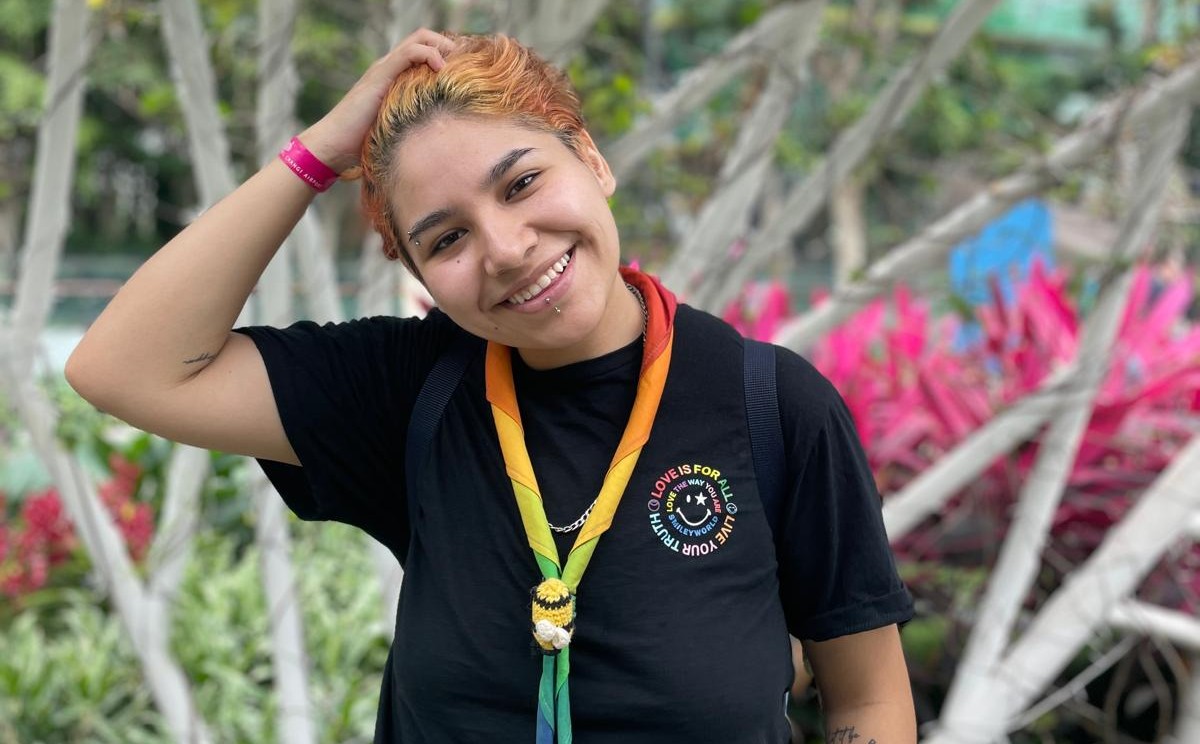

A lot of organisations might support LGBTQ+ young people until it’s an inconvenience. But Scouts fight harder, create supportive teams and tackle any challenges to welcome everyone. It’s a powerful and inspirational movement.
Astro, Scout volunteer