Supporting the Shaping Us Framework
We’re proud to be using the Shaping Us Framework, launched by our Joint President HRH the Princess of Wales, to support children and young people’s social and emotional development.
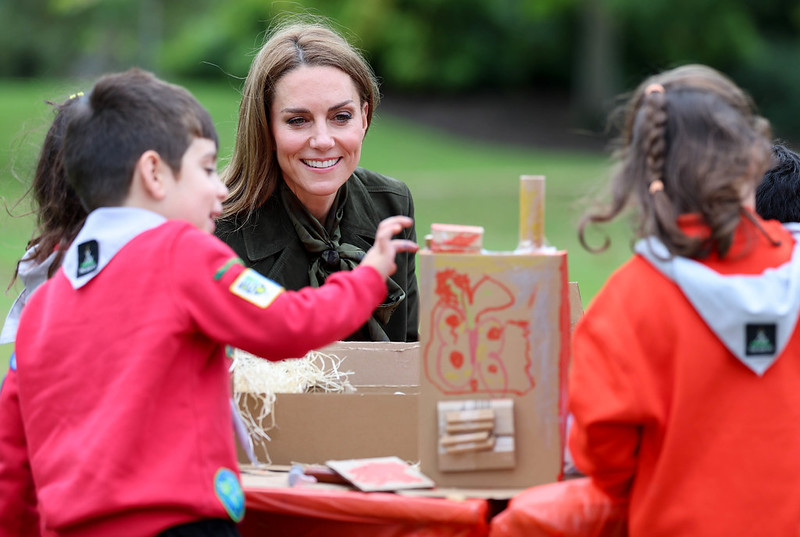
In Scouts, children and young people gain a variety of social and emotional skills that support their development. These are what we call skills for life. Like The Royal Foundation Centre for Early Childhood, we believe that the earlier our young people gain these skills, the better – preparing them now and into the future for heathy, happy lives.
What is the Shaping Us Framework?
The Shaping Us Framework, launched in February 2025, describes, in a clear and accessible way, the social and emotional skills that young people need to thrive. The foundations for these skills are laid in early childhood, but they continue to develop throughout life.
The Framework has been designed to help give social and emotional skills the greater priority they deserve. Organisations across the UK have been encouraged to use it in their work.
Improving social and emotional development in early childhood has been shown to improve the likelihood that children with be happy and healthy in childhood, and throughout life. These skills are linked to better academic and career outcomes, and physical and mental health in adulthood.
Developing children’s social and emotional skills supports HRH The Princess of Wales’ mission of creating a happier, healthier society.
The Framework can help our volunteers, potential volunteers, donors, supporters and parents understand the benefits of their young people taking part in an early years programme, such as Squirrels. It also helps us talk about the skills in a shared language. This in turn leads to positive action, like volunteering.
Activities linked to the Framework
To help our volunteers, parents and carers, we’ve mapped activities from our Squirrels programme to the relevant clusters of skills in the Shaping Us Framework.
These activities support children and young people to develop social and emotional skills — either because the activity is designed to do so, or because these skills are naturally used and strengthened through taking part.
If you do these activities with young people, you might want to encourage them to reflect on the skills they have used and strengthened. For example, if you play the parachute game you might want to talk with the children about how they needed to communicate to complete the task.
The Shaping Us Framework and Squirrels activities
Who we are as individuals.
- Understand our own thoughts, feelings and beliefs – Special to me
- Have hopes for our future – I can do many things
How we receive and share feelings, thoughts and information.
- Listen to and understand others – Play 'to me, to you' parachute game
- Express ourselves – Express yourself
How we understand, process and manage our emotions.
- Understand our own and others’ emotions – Learn about what makes you happy and We don't talk about Bruno. We DO talk about you
- Have ways to manage our emotions – Create a breathing buddy
How we get along and build relationships with others.
- Accept others for who they are – Learn about what makes you unique
- Understand and feel someone else’s emotions – Play the Fun with Feelings game
- Understand what someone might be thinking – How do you see the world?
- Be kind – Make kindness pebbles
- Give freely – Make care packages for the community
- Get on with others – Make a card for a friend
- Build positive relationships – Memory lane and Friend finding mission
- Love and be loved – Meet your match
- Work well with others – Crossing the Giant's Causeway
- Set and respect boundaries
- Manage conflict
- Focus our thoughts
How we effectively learn, work and manage in life.
- Focus our attention – Try some mindfulness techniques
- Be aware of and direct our thoughts – Guess the feelings
- Weigh up information – Watch out, fox is about
- Make decisions that are right for ourselves and for others – Meet the local supporters
- Solve problems – Lost and found
- Pause before we act
- Be flexible – Clues for you
- Keep going – Run your own sports day
- Bounce back – Heads or hands
How we explore and discover the world around us.
- Be creative – Creative spirit
- Be curious – Go on a YouShape nature walk
- Feel joy – Make a blanket fort
Every interaction matters
Science shows that the way that adults interact with children is a critical factor in supporting their social and emotional development. When adults provide nurturing care, appropriate stimulation and supportive guidance, this helps children to develop their social and emotional skills.
For example, when children have trusting relationships with adults, it can help them feel more confident to explore the world around them. When children experience nurturing relationships with caring adults, it gives them a template to build positive relationships with others.
If you're working with Squirrels, you can consider how you interact with them and guide their activities. It might not feel like it, but every interaction is an opportunity to build vital skills.
The Royal Foundation Centre for Early Childhood has created a series of short animations which explain the science behind how adults support young people’s social and emotional development. These explain how the simple things you can do every day can build children’s skills.
It could be helpful to watch these animations and discuss them with other adults and parents. Could you do more to nurture young people’s skills through your interactions?
More information on the Shaping Us Framework
The framework was created by listening carefully to academic, clinical and practitioner experts. The aim was to develop common agreement on the relevant skills and capabilities that matter most throughout our lives and across different communities and backgrounds.
- It helps us talk more easily about the skills our young people gain.
- It reminds us of the range of skills young people need.
- It provides a guide to organisations and movements like Scouts to help us plan and deliver our programme.
The final framework is made up of thirty social and emotional skills grouped into six clusters.
- Know ourselves – Who we are as individuals
- Manage our emotions – How we understand, process and manage our emotions
- Focus our thoughts – How we effectively learn, work and manage life
- Communicate with others – How we receive and share feelings, thoughts and information
- Nurture our relationships – How we get along and build relationships with others
- Explore the world – How we explore and discover the world around us
Young people are using and developing social and emotional skills throughout their daily lives, and many of the things you do with them at Squirrels will nurture these skills. For example:
- Every time a child tries something new and reflects on whether or not they enjoyed it, it helps them to know themselves.
- Every time they have to persist with a difficult task, or overcome a challenge they are focusing their thoughts, and perhaps managing their emotions too.
- When they work with their friends and adults, they are likely to be communicating and building relationships.
- And of course, so much of what happens at Scouts helps children to explore the world around them.
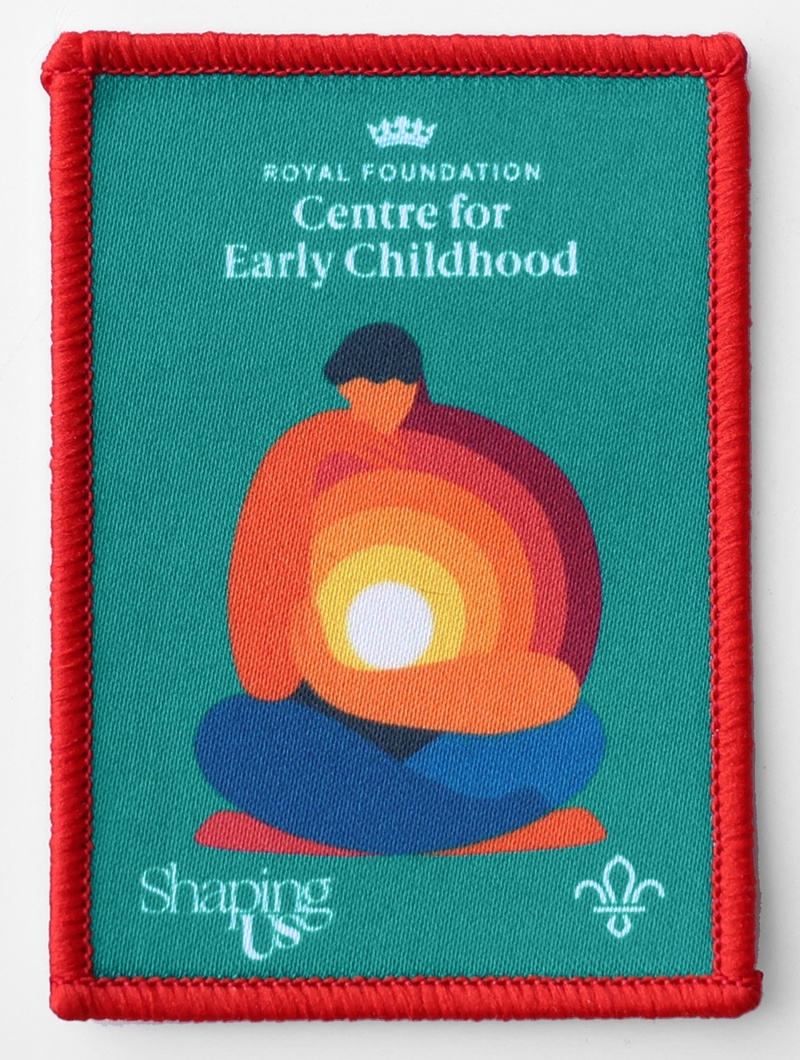
We’re delighted that a special Shaping Us badge is available to support this work and raise the profile of the framework.

The Shaping Us Framework is designed to provide an accessible way of focusing on social and emotional skills. It can be used by organisations of all shapes and sizes to design and deliver interventions that raise awareness across society, and to support the development of these critically important skills for people at all stages of life.
HRH The Princess of Wales