Making reasonable adjustments
Learn about reasonable adjustments for disabled people.
What are reasonable adjustments?
Reasonable adjustments are changes we can make to help disabled people join in. We’re required by law to remove barriers to disabled people accessing our services.
What does ‘reasonable’ mean?
The law recognises that organisations have different levels of resources to support disabled people. That’s why the changes are called ‘reasonable adjustments’.
An adjustment, or change, will usually be considered ‘reasonable’ if it:
-
helps the disabled person join in.
-
is affordable.
-
is practical to make.
-
won’t harm the health and safety of others.
Who should make reasonable adjustments?
Every adult volunteer at Scouts is responsible for making reasonable adjustments.
Speak to the disabled person to find out what support they need and agree a plan. If they’re a young person, speak to their parents or carers too.
When should I make reasonable adjustments?
The duty to make reasonable adjustments is ‘anticipatory’. This means adjustments should be planned in advance.
Example: Volunteers might have a ramp for people with mobility needs, even if no one in the Group currently needs it.
Sometimes, a disabled person might face barriers we didn’t expect. This means the reasonable adjustments needed won’t have been anticipated.
Example: A young person with sensory needs might struggle with the noise level. They might need noise-cancelling headphones or a quiet space.
How will I know if the person is disabled?
The person or their parents, carers or helpers might tell you about a disability or support need. Some people will have a diagnosis, some won’t, and others might be waiting for one. What matters most is understanding their needs and how to support them.
Handle any information you’re given carefully, following GDPR.
What should I think about when making reasonable adjustments?
Reasonable adjustments should help the person join in. All adjustments must follow our safety guidance and safeguarding policy. Think about:
-
Is your meeting space accessible for people with mobility difficulties?
-
Is there a quiet space?
-
Can the lighting be adjusted?
-
Is there a hearing loop system, or could one be added?
-
Do you have accessible facilities like toilets, lifts or ramps?
-
Are outdoor pathways wide, smooth and well-lit?
-
If the building isn’t owned by the Scout Group, can the owner make any changes?
-
Have you asked the person (or their parent or carer) if they need any reasonable adjustments?
-
Have you shared the person’s needs with the relevant volunteers, making sure you get their consent before sharing?
-
Have you included reasonable adjustments and support needs in your risk assessments?
-
Can you give extra time for using communication tools?
-
Can you support people to make their Scout Promise in a way that feels right, comfortable and meaningful to them?
-
Can everyone join in with your activities, songs and games?
-
Do you have quieter or less demanding alternative activities ready? Our Activity Finder has tips for adapting activities.
-
Can you change the uniform to meet everyone’s needs? Check POR for guidance on uniform adjustments.
-
Have you thought about dietary needs, like allergies, food sensitivities, faith-based diets, fasting, eating disorders or medical needs such as diabetes?
-
Can you provide extra support during activities like Nights Away? You could ask for an extra volunteer or invite the young person’s parent or carer to join.
-
Do you check that documents are accessible, including the fonts, sizes, colours and paper used?
-
Can you give information in different ways, like large text, coloured backgrounds, transcripts, images, audio or Braille?
-
Can you make Easy Read versions of information?
-
Can you provide visual stories or timetables for weekly meetings, outdoor activities, events or Nights Away?
-
Do you have sensory aids like fidget toys and ear defenders?
-
Do you use a variety of marketing materials such as posters, social media posts, videos and handouts?
-
Can you provide a British Sign Language interpreter if needed?
-
When sharing information online, does it work with screen readers? Is it easy to understand when read aloud?
-
Are forms easy to fill out and return, including on a phone?
-
Can you buy or rent equipment? Or borrow it from another Group?
Example: 1:1 Support
Olivia needs 1:1 support to join in at Scouts. Her parent and carer can take turns providing this support on different weeks, which is a reasonable adjustment for the Group to agree to. It’d also be reasonable for the Group to try to recruit a volunteer with the skills to support Olivia.
If Olivia’s parent and carer couldn’t provide support and the Group couldn’t find a suitable volunteer, it wouldn’t be reasonable to expect the Group to pay for a professional 1:1 carer every week.
Scouts is run by volunteers and isn’t a statutory service, like schools. This means Scouts isn’t legally required to provide regular 1:1 support.
Example: Wheelchair access
Jermaine uses a wheelchair and is joining a Group. It’s reasonable for the Group to provide a moveable ramp. However, it wouldn’t be reasonable to expect the Group, with limited funds, to install an electronic lift.
If the Group doesn’t own their meeting place, installing a permanent ramp might be unreasonable. Instead, it’s reasonable to ask the building owner to make changes.
Youth Sections and turning 18
When a young person turns 18, they’re legally an adult and can’t stay in their Youth Section, including Explorer Units. All people aged 18+ can join Scout Network and/or apply for an adult volunteer role. This helps us to keep young people safe. All adults taking part in Scouts must follow the Yellow Card.
Where can I get help?
You can contact the Support Centre for help making reasonable adjustments.
It’s important to tell your Volunteer Line Manager and the District and County Lead Volunteers about any disagreements or allegations of discrimination straight away. Follow our Safeguarding and Complaints policies and processes.
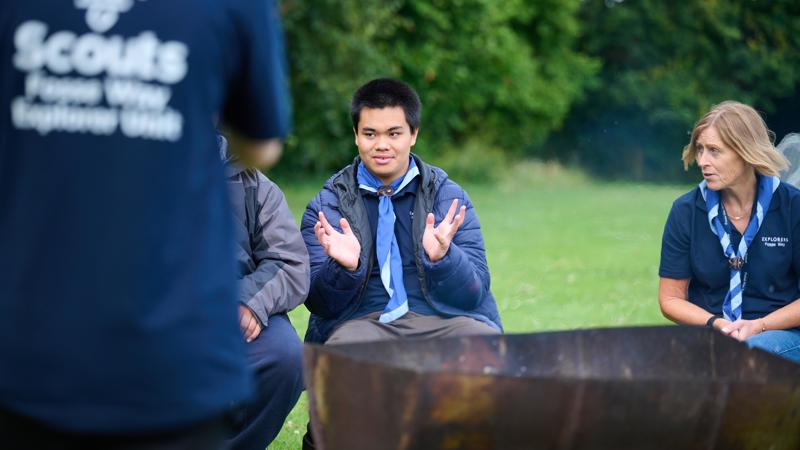
Discover how we create Individual Support Plans.
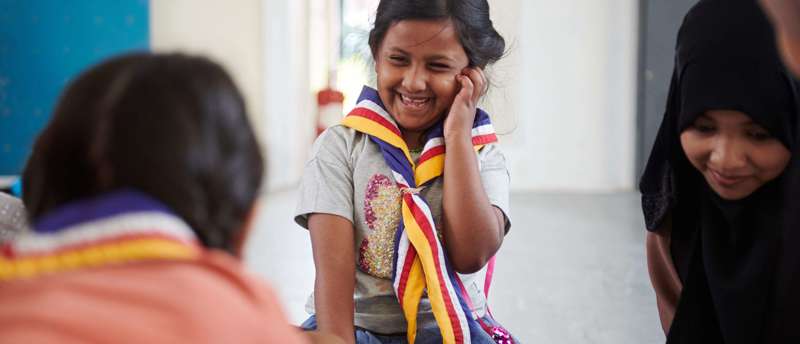
Find out if our additional needs grant can help you make changes.

Hear what some of our disabled volunteers and young people have to say.

Use our checklist to make Scouts welcoming and inclusive.