Air Scouts
Air Scouts
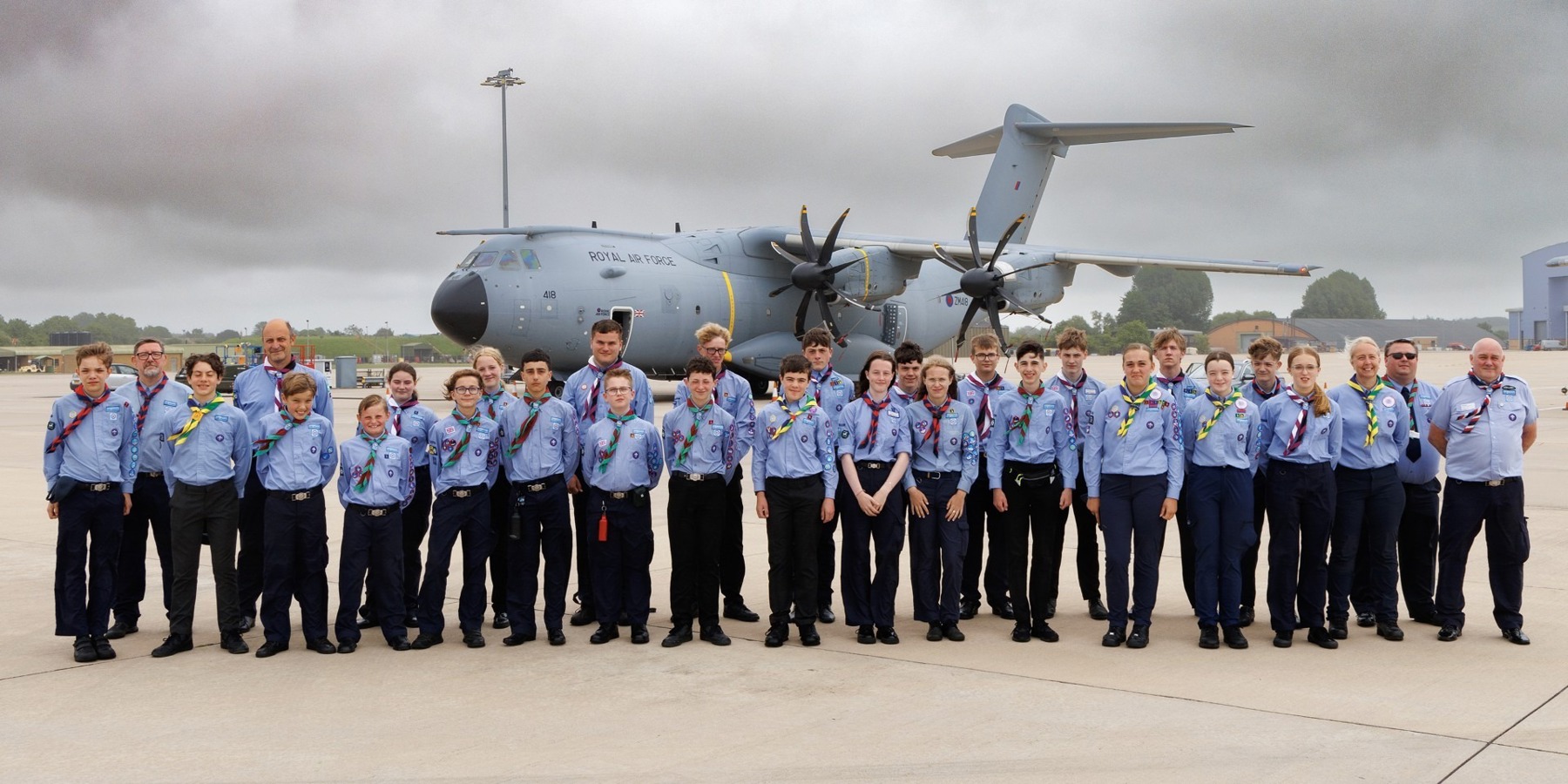
What are Air Scouts?
Air Scouts take part in all standard Scouting activities, but with a special emphasis on aviation and aerospace.
Their activities include:
✈️ Learning about aircraft and aerodynamics
🛩️ Visiting airfields, museums, and RAF bases
🛠️ Aircraft model building and drone flying
🎮 Flight simulators and aviation technology
🎖️ Earning aviation-related badges
🚀 Exploring space and rocketry
Some groups even offer opportunities for actual flying experiences, including gliding and powered flight, often in partnership with the RAF or private flying clubs.
Air Scout Group sections can include Squirrels (aged 4-6) , Beavers (6 -8), Cubs (8-10) , Scouts (10-14), Explorers (14-18) and Network (18-25).
History of Air Scouts
In the 1930s, Scout Troops near to airfields and gliding clubs started to include air activities in their programme, and an Air Patrols pamphlet was produced.
Air Scouts were officially recognized in 1941, during World War II, when there was a growing interest in aviation. The movement aimed to provide young people with aeronautical knowledge and skills, supporting the war effort by encouraging interest in the Royal Air Force (RAF) and aviation careers.
After the war, Air Scouts continued to evolve, maintaining their focus on aviation but expanding into modern aeronautical technologies, aerospace engineering, and even space exploration themes. Today, they remain a popular section within the UK Scouting movement, offering young people the opportunity to explore flight-related activities.
Worried about your finances? See if you qualify for extra support through a grant, whether it is for providing gliding scholarships, equipment, refurbishment of HQs, or just training for Air Scouts. There are plenty of opportunities available—just make sure you meet the requirements!
2025 marks the 75th Anniversary of the RAF Recognition Scheme:
- The group must be an Air Scout Troop or Explorer Unit registered with The Scout Association.
- The group should have a strong focus on aviation-related activities (e.g., aircraft visits, aviation badges, and aeronautical training).
- Leaders must commit to incorporating RAF-supported activities into their program.
- The group applies for RAF Recognition Status via The Scout Association and the RAF.
- The application typically requires evidence of aviation-related Scouting activities and engagement with local airfields or aviation groups.
- The RAF may send an officer to inspect and assess the group's suitability.
- If the group meets the standards, they are granted official RAF Recognition.
- Permission to wear the RAF Recognition Badge on uniforms.
- Access to RAF stations, museums, and events.
- Special opportunities for gliding, flying experiences, and training.
- Invitations to RAF-organized competitions, leadership courses, and aviation events.