Celebrating our Trustees and creating a space to belong
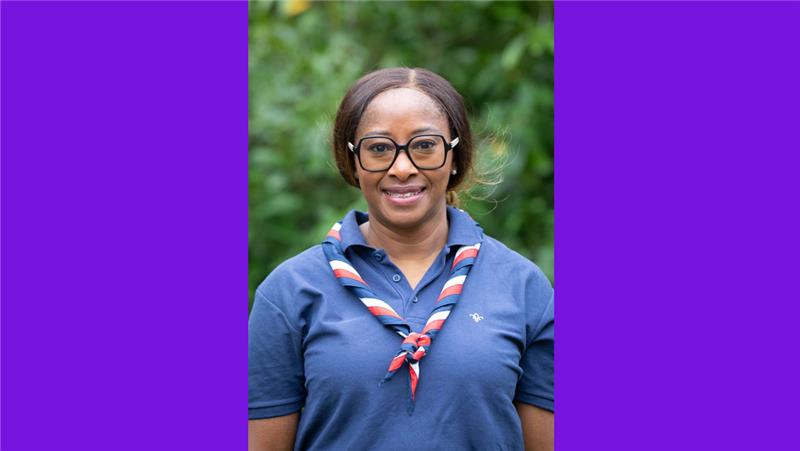
Ahead of Trustees’ Week 2025 (3 to 7 November), we caught up with the newly appointed Vice Chair of Scouts, Busola Sodeinde. A national Trustee for Scouts since 2020, Busola has a passion for increasing Scouts’ diversity, as well as encouraging more people from all communities to step up to leadership positions.
How did it feel to be appointed Vice Chair of Scouts?
The number of positive comments and messages I received was incredible.
One person mentioned that when they saw the announcement about the Vice Chair appointment, they expected to see someone else. I think they were surprised (in the best possible way) to see a Black woman in this role.
It’s a reminder of how powerful representation can be. And it felt especially significant that this happened in the same period as the announcement of the first female Archbishop of Canterbury – a moment of real progress and change.
How important is it that we have that sort of visibility in our senior leadership?
When you speak externally, with our sponsors, supporters and donors, they do look for diversity in the Leadership Team. Particularly for the Black and brown community, Dwayne Fields becoming Chief Scout was the first milestone. It was a big and bold appointment, and it does say a lot when you have a good representation of people stepping up to senior leadership. This, in turn, is likely to inspire young people who'll appreciate visibly diverse leaders.
Why is Scouts still so important today?
The greatest strength of Scouts is how we reflect the strength of our communities. Today we see a lot of polarisation in society. The only way you can model radical generosity is to start that at a very young age in our communities. Scouts is about bringing diverse adults and children together, so they can enjoy each other’s company and do something positive collectively for the community. That’s the power of Scouts.
There are few places where you feel that same sense of love and unity. You feel it in football stadiums and at music concerts. In those places, you cut across class and religion; there’s just a unified joy. I was at a Coldplay concert recently, and it was amazing how Chris Martin made you feel personally included in that massive stadium. I don’t remember so much about the songs, but I remember how I felt.
Scouts also gives young people a sense of discipline, duty and responsibility by showing up and wearing your Scout clothing and neckerchief with pride. Once you’ve developed those skills and qualities over time, you can use them anywhere. Teamwork and a sense of belonging is also so important at a time when we know people are feeling a sense of isolation, and we should continue to promote this in our young people.
How did being involved in a youth movement help you when you were young?
In Nigeria, I was part of the Brownies and went along every week. I don’t recall all the details of the programme, but I do remember the sense of belonging it gave me; the joy of playing, laughing, and learning alongside the other girls. It was one of my first experiences of being part of a supportive community.
What’s the secret behind a good board?
It’s collective critical thinking and solving the same problem from a different perspective and lens. What you get is a solution that reflects everyone’s diversity – a group of Trustees who see the world differently. That way, everyone will see snippets of themselves in the solution, which reflects wider society. This is very different from ‘group think,’ where everyone’s thinking the same way and means we're stronger and able to make better informed decisions.
Why should we celebrate our Trustees?
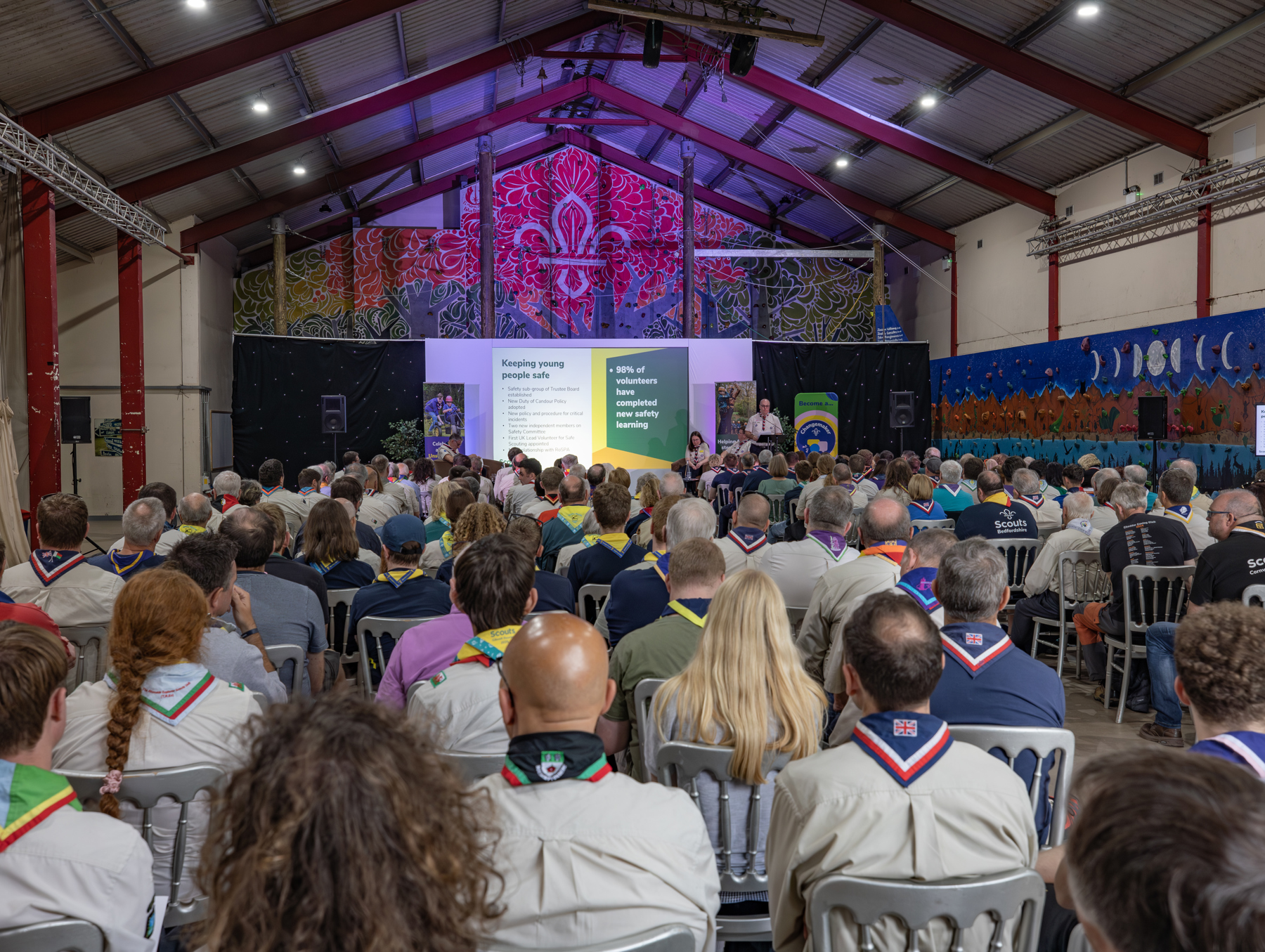
We should be celebrating our Trustees because they give something that’s both rare and invaluable: their time, their expertise, and their heart, all without financial reward. Trustees quietly hold the weight of responsibility for their organisations, helping to steer strategy, uphold values, and ensure impact, often behind the scenes and outside of their day jobs.
What makes trusteeship so special is that it’s driven by purpose rather than profit. Trustees bring passion, insight, and care to causes they believe in, and that deserves recognition. The sense of fulfilment they get, knowing they’ve helped make the world a little better is powerful, but it shouldn’t be their only reward.
As we celebrate Trustees, it's important to remember that not everyone can give their time so freely. True celebration means making trusteeship more inclusive – removing barriers, creating pipelines for new voices, and recognising the many ways people can contribute.
When we recognise and celebrate our Trustees, we’re really celebrating the spirit of service and the belief that positive change happens when people give of themselves for the greater good.
How can we make it easier to be a Trustee?
Both locally, and nationally, we should demystify what it means to be a Trustee by sharing our stories and making the role more inclusive and accessible. By showing that Trustees come from diverse backgrounds and look like the communities they serve, we help people think, ‘I can do that too.’
It’s equally important to be clear about the roles and responsibilities of Trustees and to make sure that anyone new to a board receives effective support and learning and development opportunities tailored to the role.
We should also recognise and address practical barriers, like time, financial constraints, and accessibility, to make sure everyone has a fair chance to step forward.
How do you juggle your time as a Trustee?
I was very undisciplined when I first started. I was excited and said yes to everything! But I’ve found that less is more now, and it’s important to be quite intentional as a Trustee. You can’t do everything.
What’s your message to someone thinking about being a Trustee?
If you’re thinking about being a Trustee, it’s got to be about doing something that matters to you. You have to love it. Otherwise, it feels like a day job.
You should be very clear about what you want your mandate to be. Because you won’t be able to deliver everything. You need to connect what’s important to you and find alignment to see if that also connects with the organisation. You need to ask yourself: ‘Am I adding value?’ and if you’re not, then you’re just a seat at the table.
The ideal situation is when your hunger to solve something is aligned with the organisation’s hunger to do the same thing. That’s where you have real passion, commitment and fulfilment.
What are some of the ways we can embed EDI (Equity, Diversity and Inclusion) in Scouts?
EDI takes a while. It’s not a quick fix, and it must be part of our values system. Ultimately, it’s about having an open door policy. We need to make sure there’s a ‘radical welcome’ at every level, where everyone is treated in an equitable way in terms of respect and opportunity.
That radical welcome is what EDI should embrace. I used to serve as part of the welcoming team at my church – and I learned that the way you make people feel when you first meet them is so important. You then need to elevate that relationship – going on a journey from a simple ‘hello’ to a place where you have lots to say to each other.
And in Scouts, volunteers at the front of our mission take it upon themselves to make sure every person in their care experiences that same attention and warmth.
How can we catalyse communities who are ambivalent towards Scouts?
You need to ask yourself, ‘What will it take for someone to truly feel they belong?’
In Scouts, when we recognise that we lack lived experience in a particular community we want to reach, such as the Black community, one practical step is to ‘borrow’ a volunteer from another Section, almost like a secondment, who has that lived experience.
Building authenticity and trust starts by listening to and working alongside the communities we want to engage. By collaborating with people who have lived experience, we can identify gaps and co-create solutions that make a real difference.

When it comes to EDI, Scouts is very much on a journey. We’ve made real progress, we’ve moved the dial, and we should celebrate that. But there’s still more to do. If we truly want to make change happen, we need to create clear pathways for people to step into leadership roles. Experience in Scouts is incredibly valuable, but so are emotional and cultural intelligence, especially when we’re opening Sections and engaging with new communities. Both types of experience matter, and together they help us build a stronger, and more relevant and inclusive, movement.
Busola Sodeinde, Vice Chair of Scouts
What are your superpowers as a Trustee?
I tend to stay calm under pressure. That’s when I do my best work, and when my creativity really shines. My strengths lie in remaining composed and thinking creatively during critical moments. But at other times, the most powerful skill isn’t speaking or acting, it’s listening.
So much of our work depends on truly understanding what people are saying, not just hearing their words. It’s easy to design a quick fix that solves an immediate problem, but those solutions often have a short shelf life. Some organisations carry years of embedded issues and then hope to resolve them in a fraction of that time. Real change takes patience.
To tackle legacy challenges effectively, we need to create space for long-term solutions that can evolve with new trends. That starts with careful listening and thoughtful application of what we learn. Without that, solutions aren’t sustainable and can even create unintended consequences. So, my superpower is critical thinking to help solve legacy issues.
What have been your most enjoyable moments as a Scouts Trustee?
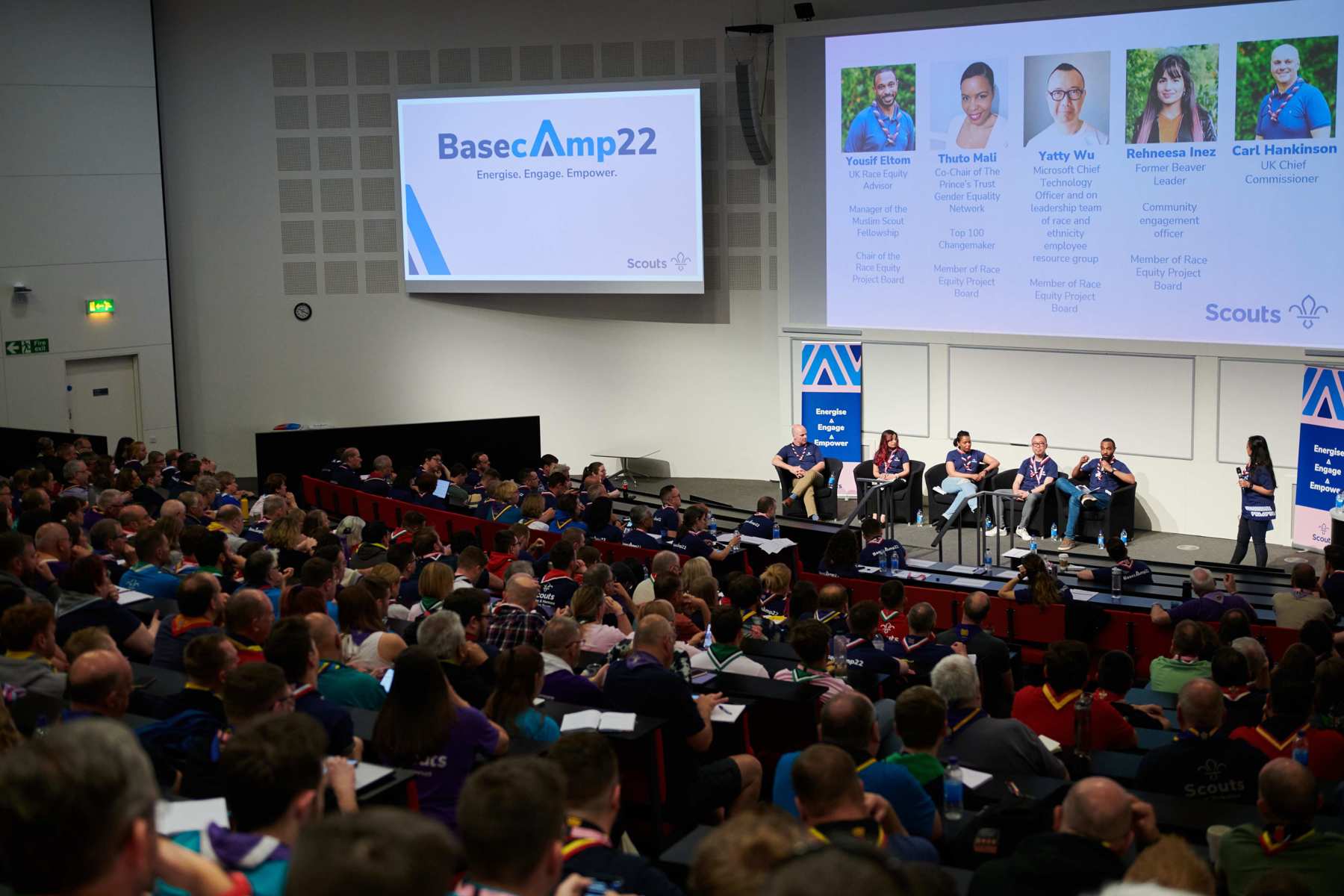
Basecamp was a turning point for me. Seeing the movement on such a scale and feeling that shared pride gave me a sense of belonging I’d never known. Before, I said I was a Trustee for Scouts. After, I simply said – and felt – that I was a Scout.
What's your challenge to the movement?
My challenge to the movement is to think strategically about the opportunities we’ve created through these diverse appointments. We’ve taken important steps, but now is the time to leverage this momentum, build on it intentionally, and make sure we translate these milestones into lasting impact.
Let’s make sure we don’t let this moment pass. It’s an opportunity to shape the future of the movement for the better.