10 fun ways to keep kids involved when they're out of a game
Let’s face it – nobody wants to be out of a game! But what if there was a way to keep everyone included, even when they’re technically ‘out’? These 10 simple tips will make sure that the fun never stops and everyone stays involved, no matter where they are in the game.
- Use a waiting area rotation system: When a player is ‘out’, they go to a row of chairs. The first person out sits in the first chair. When the next person is out, the first person moves along one to the second seat and the newly out person takes the first seat. Each time someone else is ‘out’, the ‘out’ players keep moving down the row until they reach the last chair. When they get to the end of the row, they can come back into the game!
- ‘Freeze and Melt’ rule: If a player is tagged or ‘frozen’ in a game (such as freeze tag), let them to ‘melt’ back into the game after counting to 20. This keeps the pace lively and reduces frustration.
- Helper roles: Give ‘out’ players specific tasks, such as scorekeeping, timing or refereeing. They could also act as a ‘judge’ for the game, such as voting for best silly walk in a race.
- All-in ending: In elimination games, announce a final round where everyone is back in for one big chaotic finish. This makes sure nobody feels left out for the finale.
- Designated restarts: After a set amount of time or turns, everyone who is out automatically gets to restart. This keeps the game flowing and fair.
- Second chance tokens: Give each player a token, such as a counter or card. They can use it once per game for a second chance. It prevents kids from feeling discouraged when they’re out early.
- Cheerleading rule: If someone is ‘out’, they join the cheer squad to encourage others, instead of feeling sidelined. Why not get flags and pompoms to wave, so it doesn’t get too noisy?
- End with an all-win game: Conclude with a quick, easy game that everyone can win or enjoy equally, such as hide and seek or a playing catch.
- Reverse the rules: Halfway through a game, flip the rules. For example, in tag, the tagged become the taggers. Keeps kids on their toes!
- Challenge zones: Create a designated ‘challenge zone’ where kids who are out can rejoin after performing a simple task, such as hopping on one foot 10 times or saying a silly phrase.
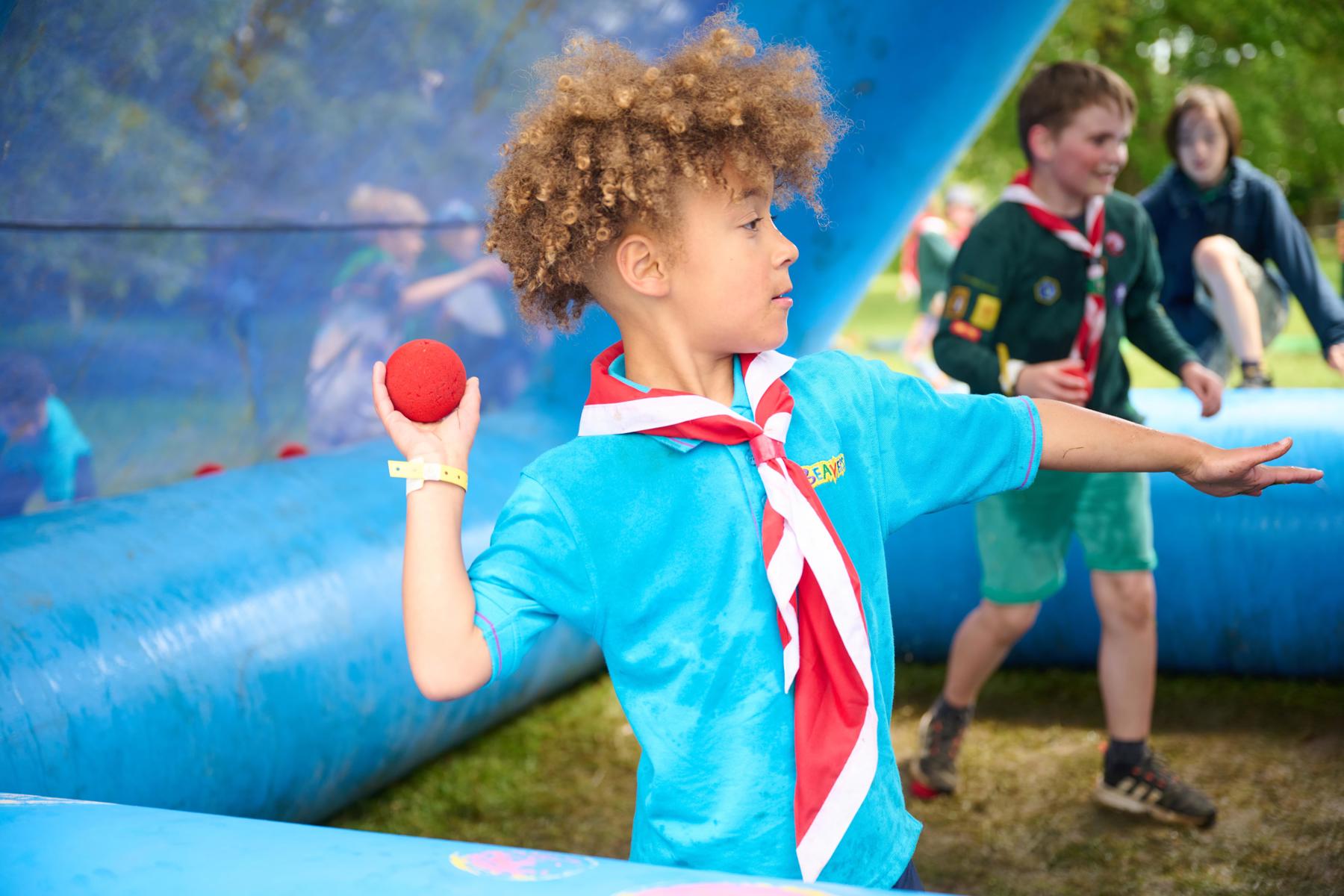
Your top tips:

We sometimes add surprise mini-tasks during the game to keep everyone on their toes. For example, ‘Whoever touches the red cone gets 5 bonus points!’
Sofia, Cubs leader
In some of our games, we have dens. They’re safe spots where players can stand for 5 seconds and not get tagged. It’s great for anyone who needs a quick break or might find it hard to keep moving non-stop!
James, Beaver volunteer

7 top tips to help kids cope with losing
It’s impossible to win all the time, but both winning and losing teach important lessons, such as resilience, confidence and self-control. Here are 7 tips to help kids cope with losing:
- Talk about how they feel: It’s OK to feel upset. Validate and talk to kids about their feelings.
- Practice staying calm: Losing can be frustrating. Find something that helps them manage those feelings, such as deep breaths or colouring.
- Compliment everyone: Point out something positive each person did (like their effort, teamwork or skills), regardless of who won.
- Focus on the fun: Explain that the aim of each game is having fun with friends, learning new skills and trying their best, not winning.
- Encourage respect and kindness: At the end of each game, get everyone to shake hands and say ‘Great job! Can’t wait to play again soon!’, no matter if they won or lost.
- Be a good role model: Make sure you demonstrate a healthy response to winning and losing that they can learn from.
- Trying again: It’s fine to lose—what matters is staying positive, learning from it and being willing to try again when you're ready. We can all keep practising to improve!
Remember to always teach kids to play by the rules, and give them chances to experience both winning and losing in a positive way.
Staying safe
All Scout activities must be safely managed. You need to complete a risk assessment. You can use the safety checklist to help you plan and risk assess your activity. Always get approval for the activity, have suitable supervision and an InTouch process.