Staying safe on DofE and top award expeditions
Discover the guidance on how to deal with common incidents on DofE expeditions
All DofE and top award expeditions must be run in line with Scouts POR, safety rules and guidance. Here you can find guidance especially relevant to these expeditions, relating to common incidents and scenarios on expeditions and based on real data and experiences.
Planning
All expeditions need to be a level of challenge that is appropriate for all team members. They must be trained to a high enough standard where you are confident to allow them to be remotely supervised. At Silver and Gold levels there must be at least one practice expedition, if you feel the team needs more training you can have subsequent practice expeditions.
- Allow sufficient time to get approval from your District Lead Volunteer, inform your County DofE Duke of Edinburgh Lead and and to secure the services of a Scout registered Expedition Assessor.
- Find out what is required for all adults involved in DofE.
You can find guidance on running expeditions on the DofE website.
Contingency plans
There may be things outside of your control which force you to change your plans at the last minute. You should always have a contingency plan in place. Consider carefully beforehand alternative route options or activities if the planned expedition has to change and include this on your risk assessments.
Risk assessments
Everything we do involves an element of risk so we need to have plans in place to manage this before and during expeditions. You can find guidance on risk assessments on the Scouts website.
To help you write a risk assessment for your expedition, this example DofE expedition risk assessment is available to download. Remember it’s important for the young people to be actively involved in creating the risk assessments for their expedition.
You can also find example risk assessments for lots of activities, including hikes, minibus use and driving, campsites and lightweight expeditions.
Supervision
When participants have completed their route planning, you can start creating your Supervision Plan for the expedition.
Things you should consider are:
- The identified risks on the route and what level of supervision is appropriate for these points.
- Where the Supervisors need to be at each stage of the expedition.
- How the Supervisors be checking on the team - trackers, meetings, observation.
- How many teams will be out.
- What the road links are like to monitor the route.
- If the terrain means the route needs to be supervised by people holding Supervisory Permits.
- The bad weather alternative routes and what different risks they present.
When you can answer all of these questions you know how many adults you need on the Supervisory Team to remotely supervise the expedition safely.
Preparing for safe and enjoyable nights away
While planning your expeditions, please make sure you submit the Nights Away Notification Form to the relevant Lead Volunteer as soon as possible and check your local approval processes with your manager. You’ll need to make sure all permits are up-to-date beforehand and that you have first aid provision for your expedition.
For each expedition you need to have an InTouch system for communication. How you do this is up to you, so work out what works best for your team.
If you need support, reach out to your Nights Away Advisers, Safety Advisers, or Lead Volunteer.
Reporting safeguarding and safety concerns on expeditions
It’s possible for safeguarding concerns to happen at camps and events, including welfare concerns affecting our young people. The Yellow Card states that everyone has a duty to report all safeguarding concerns to the HQ Safeguarding Team and this also applies during camps and events.
If you’re making a report to the HQ Safeguarding Team, please include details of the camp or event lead (alongside the person(s) line manager, if known) and inform the camp/event lead that you’ve made a report. The HQ Safeguarding Team will follow the usual process and liaise with the relevant Lead Volunteer/Commissioner.
If there is a reportable incident or accident on an expedition involving an injury or near miss, you will need to report this via the online incident reporting form. Please liaise with the event lead and it is important to also let the home leaders know about any incidents or accidents.
Additional individual support
Young people with pre-existing medical conditions and other additional needs often want to take part in expeditions. Make sure that their health records are up-to-date and that parents/carers give you accurate details of how this might affect their participation and performance.
Carefully plan how to support individuals with additional needs where necessary and have an appropriate support plan in place. Make sure the young people understand how to play their part in supporting all individuals in their group.
Common risks
We have put together these key pointers and training tips to help you avoid some of the common incidents that are reported to our Safety team after expeditions.
Ticks are an increasing problem for walkers and campers in many areas and terrains. You can plan how to raise awareness, prevent contact, know how to check for and remove ticks using our ticks advice.
Everyone should be familiar with the safe operation of the stoves they will be using and check the stoves working parts are in good condition before they start an expedition.
Have a look at our safe camping, residentials and outdoor skills guidance before using any type of stove and make sure the young people have had a chance to practice with the stoves they plan to use before any expedition.
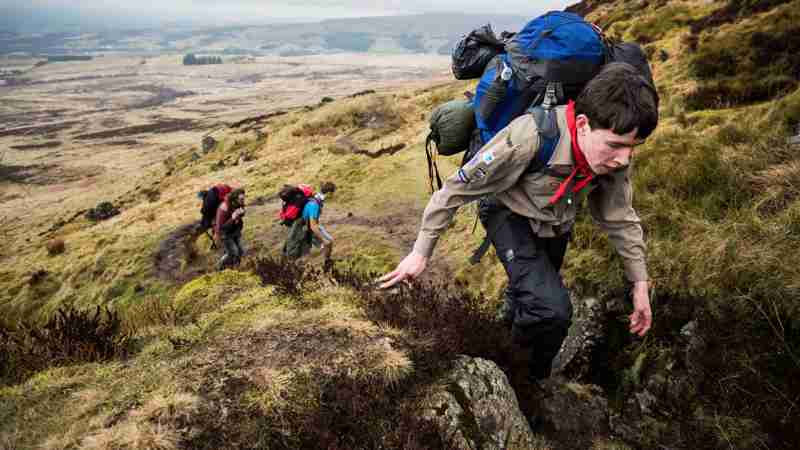
Carrying a heavy rucksack can make you more unstable and more at risk of a slip, trip or fall as you go over uneven terrain and stiles along the route. Checking all rucksacks are fitted properly will reduce this risk as it will even out the weight and make them more stable.
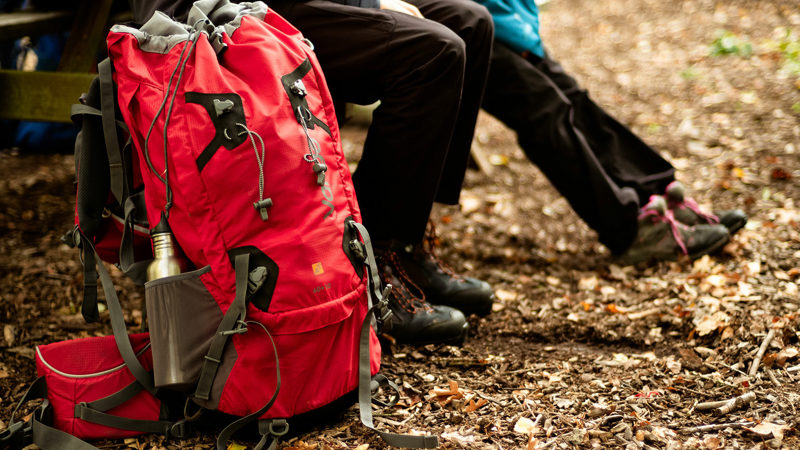
Young people should be trained in how to properly pack a rucksack. Wearing appropriate socks and boots, and making sure boot laces are tied up correctly is really important to prevent blisters and tripping over.
Weather can change suddenly, so do thorough kit checks at departure point to make sure participants are prepared for hot, cold and wet conditions. There's a DofE expedition kit list to help you.
Check out the hot weather and summer activity advice and cold weather and winter advice.
Extreme heat
We are often experiencing hotter weather in the UK. Ensure that everyone is kept hydrated (water drops are permitted), protected from the sun and adapt the plan to avoid the hottest part of the day if the weather is hot. Consider how plans can change if temperatures are over 30C.
The young people should have training in first aid, the importance of sharing and dealing with any injuries, and what to do in an emergency as part of their pre-expedition planning.
Volunteers should be in contact and respond promptly to provide any necessary first aid following any accident or injury. When an individual receiving first aid chooses to continue with an expedition, all volunteers involved in supervising the expedition must be notified to allow for proper monitoring of the injury at checkpoints, to ensure the individual is properly fit to continue.
Volunteers must ensure that parents are informed of any injuries during collection or handover, or earlier if deemed necessary via the InTouch system in place.
Emergencies can happen on expeditions so its important participants and adults understand when it is appropriate to call mountain rescue or emergency services and how and when to call the expedition supervisor. Participants and adults should make themselves aware of procedures before going on an expedition.
There are resources on in the DofE Expedition Guide and on the DofE website.
The Purple card provides support for safe Scouting and guidance in the procedures for dealing with an emergency.
In cases of any serious incident or accident that leads to or could have led to injury of a participant or adult, leaders also need to notify the DofE. You can report emergencies on the DofE website.
There is guidance on incidents and illness, and what to do in case of an accident, first aid and reporting on the Scouts website.
Wildfires are becoming increasingly common. Be vigilant and never start a fire unless it is a designated fire pit. You can use the Met Office fire severity index to aid a dynamic risk assessment for fires.
There may be occasions where young people need to tent up, sometimes overnight, along the route. Sometimes they can be in areas where they are out of contact range. If the conditions permit, it is sometimes worth walking a short distance to get reception in order to let someone know where you are and give an update on the group. Make sure participants understand the importance of getting in touch if they can.
Reporting a concern or incident
More information and external resources
- Look at our Nights Away and camping guidance.
- There are a range of Explorer top awards with an Expedition element that this guidance is relevant to.
- The DofE Expedition Guide has guidance on supervising expeditions.
- Mountain Training have in-depth guidance on remote supervision.