Meet the new Explorer Activity Badges
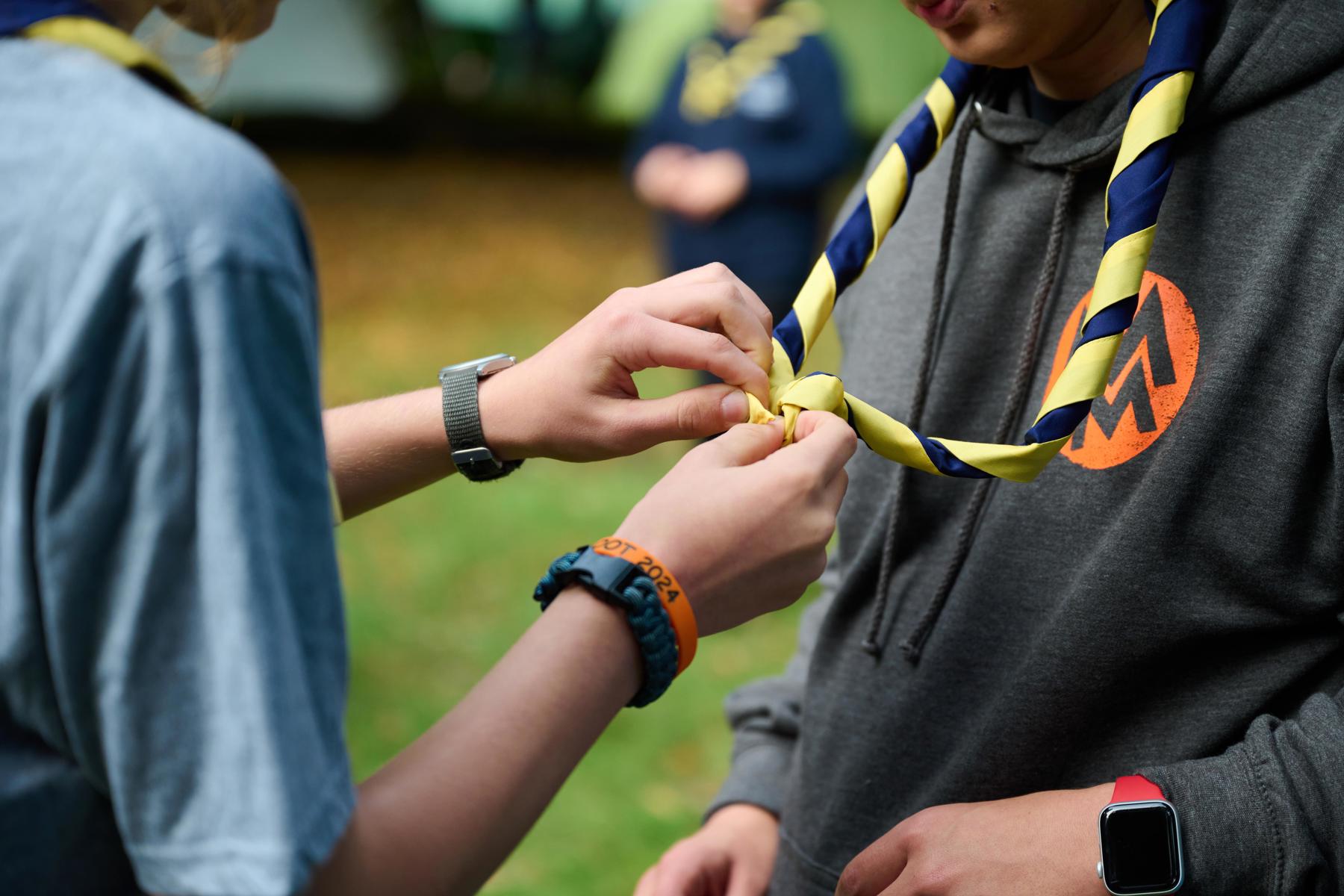
Say Hello to Our New Explorer Activity Badges!
We’re buzzing to introduce a fresh set of Activity Badges for Explorers, and they’re not just shiny new additions to the programme. They’re built differently. They’re built to empower.
At the heart of the Explorer Programme redesign is a simple but powerful idea: young people should shape their own experience. These new badges are all about giving Explorers the tools, space and support to do just that.
Designed with Purpose: The Experience Principles
Every badge’s built around a set of Experience Principles, think of them as creative prompts or mini-missions that help Explorers design their own journey. These principles guide the kind of activities young people can choose, and they’re all about real-world learning, collaboration and self-discovery.
Here’s the line-up:
- Discover – Learn something new
- Mobilise – Bring others together
- Create – Bring something into existence
- Experience – Try something out
- Solve – Fix a problem
- Reflect – Know and care for yourself
(Heads up: Reflection isn’t part of the Activity Badges, but it’s baked into everything else we do, because thinking about what you’ve learnt is just as important as doing it.)
Structure That Supports, Not Restricts
To earn an Activity Badge, Explorers complete three activities, each linked to a different principle. We’ll provide example activities to spark ideas, but here’s the key: they don’t have to follow our suggestions exactly.
As long as their chosen activities align with the principles, they’re good to go. That means more flexibility, more creativity and more ownership.
Unlike other sections where requirements can feel rigid, these badges are built to flex. Whether your Explorer’s a budding coder, a community organiser, or someone who’s just figuring out what they love, there’s room for them to shape their badge around their interests and strengths.

Whether you're looking for an adventure, a recipe, a game, a craft or something else, our activity finder's bursting with programme ideas.
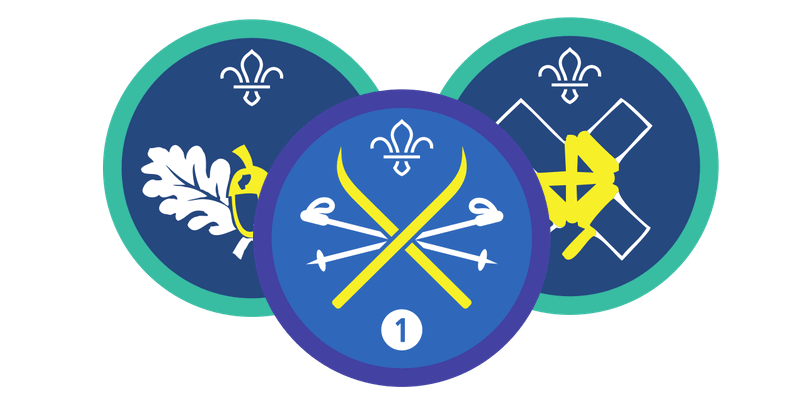
Master something you love, or try something shiny and new. If it spurs you on or stirs your interest, we’ve probably got a badge for it.
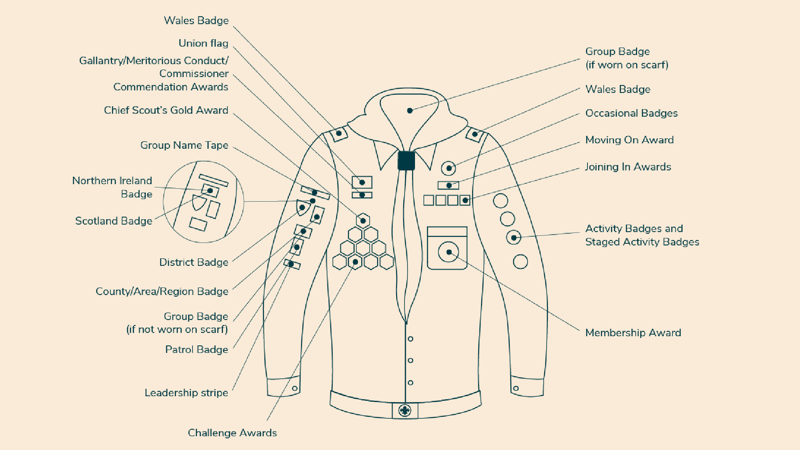
You don't need a uniform to join Explorers. But once you've settled in, you'll start speedily earning badges, and you'll need to know where to put them.
Chef Activity Badge: From Kitchen to Campfire
To earn the Chef Activity Badge, Explorers complete three activities, each linked to a different experience principle. Here’s what that looks like:
- Discover – Choose a recipe, a cooking technique or a traditional food, and find out about its history.
Try making something using traditional methods and ingredients, avoiding modern techniques. - Experience – Hold a cooking competition with your Unit or District.
- Mobilise – Look at the social issues that surround our food production, and see if you can take any actions to reduce their impact.
This could involve researching certain ingredients, or visiting production facilities or farms. - Solve – Plan a recipe or menu you’d make in your usual kitchen facilities.
Then, try and make that using a different cooking facility, like a camping stove or campfire. Think about how you could improvise utensils and maintain hygiene. - Create – Create a menu for a specific event.
This could be anything from a gala-style dinner to a street food tasting night!
Democracy Activity Badge: From Kitchen to Campfire
To earn the Democracy Activity Badge, Explorers complete three activities, each linked to a different experience principle. Here’s what that looks like:
- Discover: Explore the history of democracy in your country. This could include how it works, people’s rights, who could vote, how people have influenced decisions, and how your local area has a say in wider decisions.
- Experience: Attend, take part in, or meet representatives from a local youth voice or democratic forum. This could include a Youth Parliament, Youth Council, local authority youth forum, or similar group. Find out who is involved, how young people’s views are represented, how decisions are made, and the impact on the local community.
- Mobilise: Gather evidence from other young people about a local issue and how it could be addressed, then share your findings with a local decision-maker or youth voice structure. This could be a councillor, council officer, Member of Youth Parliament, youth council, community organisation, or similar.
- Solve: Develop a way to improve how young people’s voices are heard on issues that affect them. This could be through a project, event, consultation, or another way of gathering and sharing information
- Create: Design a simple way to help others understand democracy. This could include how people can take part and why participation matters. This could be shared as a video, podcast, artwork, event, or online resource.
Adapting the Badge: Backwoods Cooking Edition
If your Explorer wants to do this badge on camp, using backwoods cooking techniques (think foil packs, stick bread, fire pits and wild ingredients), here’s how you might flex the requirements while keeping all five experience principles intact:
- Discover - Research traditional outdoor cooking methods used by different cultures, like ember baking, clay cooking or spit roasting.
Learn about the history of backwoods cooking and how people cooked before modern kitchens. - Experience - Run a backwoods cooking challenge with your Unit. Set up different stations (fire building, prep, cooking, serving) and try out various techniques.
Make it fun, competitive and collaborative. - Mobilise - Explore the environmental impact of food waste and packaging on camp.
Work with your group to reduce waste, maybe by using locally sourced ingredients, reusable containers or cooking with minimal equipment. - Solve - Take a recipe you’d normally cook at home and adapt it for the campfire.
Think about how to improvise utensils (e.g. using sticks, foil or natural materials), manage hygiene and cook safely without a kitchen. - Create - Design a themed backwoods menu for a special camp event, like a “wild feast night” or “forest café”.
Include starter, main and dessert, and think about how to present it creatively using natural materials.
Adapting the Badge: Votes at 16
If your Explorer wants to do this badge to educate more on voting from the age of 16, here’s how you might flex the requirements while keeping all five experience principles intact:
- Discover: Explore how voting, elections, and democratic systems work in your country.
- Experience: Take part in or observe an electoral or democratic process in action.
- Mobilise: Work with others to explore what’s important and how their views can be represented.
- Solve: Explore a challenge linked to voter engagement or electoral participation, such as awareness, access to information, or confidence in how voting works
- Create: Design a simple way to help others understand how voting and elections work.
You can find examples and guidance on our votes for 16 blog page
Final Thoughts
This adapted version still hits all the experience principles, and it lets the Explorer shape the badge around their interests and environment. It’s a great example of how the new programme encourages flexibility, creativity and youth-led learning.
By doing the badge on camp, Explorers also build outdoor skills, resilience and confidence, and they get to eat their creations under the stars. Win-win!
If you can adapt the Chef Badge to suit your Explorer’s passions and environment, you can adapt any badge. The principles stay the same. So whether it’s cooking over a campfire, building a robot, or organising a community event, the badge is just the starting point. The real power lies in how young people shape it.