Talking to new volunteers
Making contact with a new volunteer? Use our tips to help you have a great initial conversation
Quick links
There are lots of different ways a potential volunteer might contact you. It could be that a parent has witnessed all the excitement of a section meeting and wants to be a part of it, or you might be responding to a digital enquiry.
What should you include in your first conversations about volunteering?
Be warm and welcoming from the start.
Thank them for their interest and keep the tone friendly; it’s a chat, not an interview.
Choose the right person to respond.
Pick someone who can bring energy and adapt to different communication styles.
Ask a few key questions:
- What do they know about Scouts?
- Do they have a team in mind?
- How much time can they offer?
If they’re new to Scouts, give a short intro to who we are and what we do.
Share your own positive volunteering experiences.
Let them know we’re looking for people, not just leaders – and that volunteering is flexible.
Reassure them:
- They don’t need to know everything from day one.
- Learning and safeguarding support is available.
- A criminal records check helps keep everyone safe.
Remind them:
The support and experience they gain will help in Scouts and beyond.
This is just the first chat.
There’ll be time later to go into more detail.
Reassure them:
- They won’t be thrown in at the deep end.
- They can try different tasks or groups to find what suits them.
If they’re unsure where to start, give a quick overview of the teams and tasks, like working with young people, fundraising, admin, or management.
Thank them for their time.
Let them know you’re excited to welcome them and that the next step is getting to know Scouts and the team.
Point them to Growing Roots on the Scouts website if they’re ready to start learning.
Before wrapping up, check in:
- Do they have any questions?
- It’s okay not to have all the answers—just follow up later.
Send a quick follow-up email with key points, their start date, and anything else they need to know.
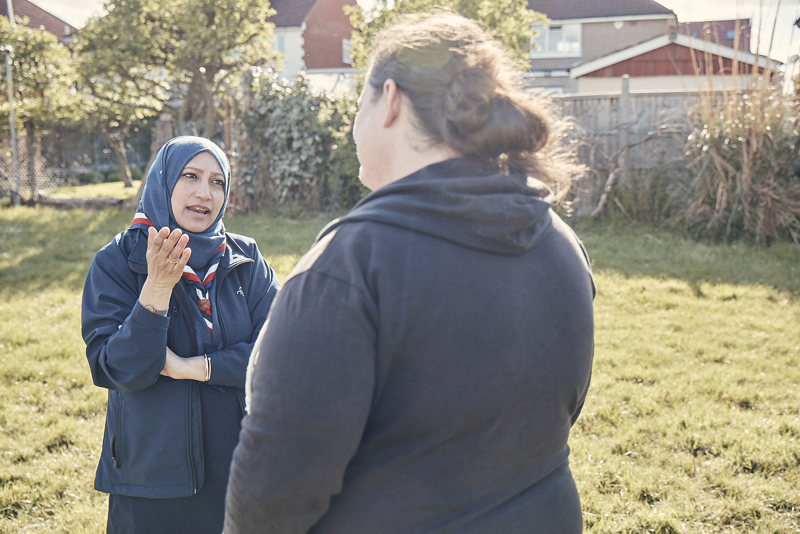
Regardless of how they get in touch, remember to:
- Make contact as soon as possible
- Keep it positive, informal and relaxed
- Steer clear of Scout jargon or acronyms
- Communicate that there’s a team or task for everyone at Scouts
- Organise time for a chat that suits them – avoiding chatting in the middle of their busy school run, for example
- Let them know how long that chat might last, and communicate that you’d love to find out a little more about them, so you can best support