How we experience Scouts with ADHD
October is ADHD Awareness Month. It’s an opportunity to celebrate individuality, share experiences, and reflect on how we can better support those with ADHD. Niamh (Squirrels volunteer) and Maiya (Explorer) tell us about their experience at Scouts with ADHD.
ADHD (Attention Deficit Hyperactivity Disorder) is a neurodevelopmental condition that can influence the way someone thinks and behaves. People with ADHD often bring lots of energy and creativity, though they may also find it harder to focus at times, feel restless, or act on impulse.
Every person’s experience with ADHD is unique, and the right environment can make a huge difference for young people. Scouts offers a space where young people and volunteers can feel supported to be themselves.
We chatted to Maiya, an Explorer, and Niamh, a Squirrels volunteer, to hear their personal experiences of ADHD and why Scouts works for them.
Getting their ADHD diagnoses
Sometimes, people wait months or even years for an ADHD diagnosis. That’s what happened to Squirrels volunteer, Niamh. ‘I’d been on the waiting list since I was around age 16,’ Niamh tells us. ‘I was diagnosed at university and suddenly, everything made sense. I understood how my brain works and it helped me get less frustrated with tasks I found challenging. I changed my approach and life became easier.’
Maiya, an Explorer, was diagnosed aged 12 and she was able to get the support she needed for her GCSEs. ‘Being diagnosed has positively impacted my learning,’ Maiya says. ‘I can have extra time in GCSE exams and use a computer, which really helps.’
Scouts as a helpful and positive environment
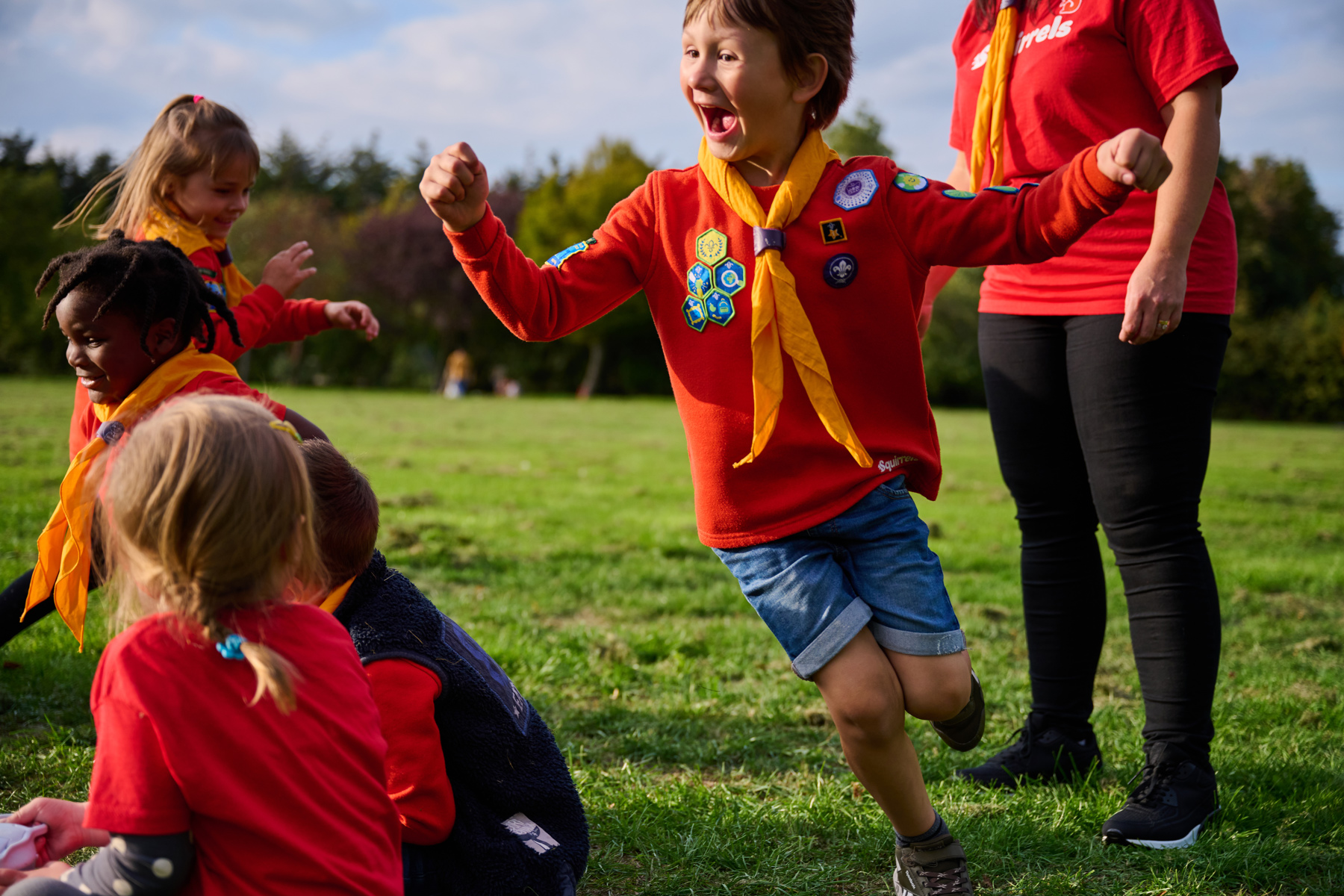
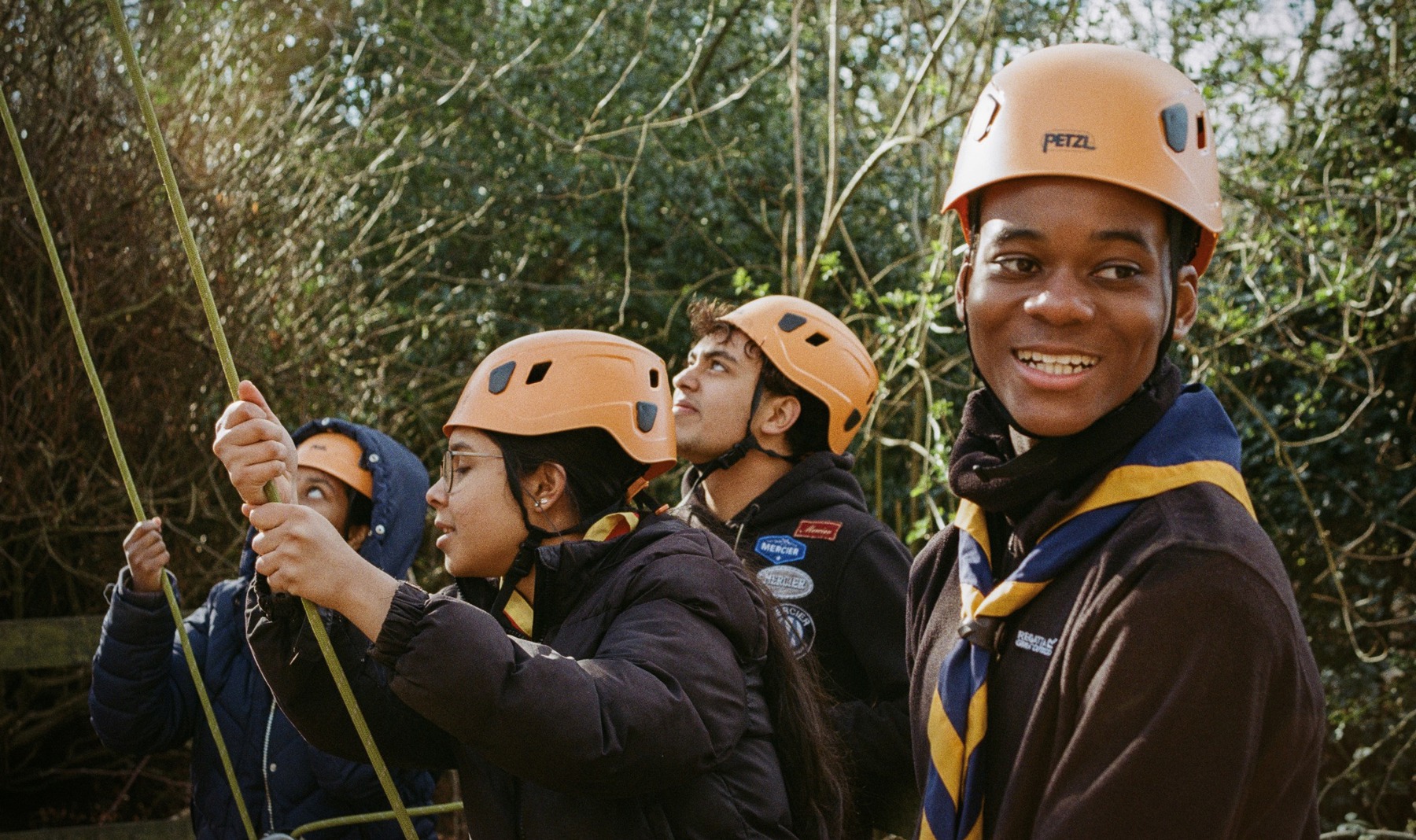
For both Maiya and Niamh, Scouts is a helpful and positive environment when it comes to managing their ADHD. Maiya says, ‘It’s scary to have conversations with people I don’t know, as I can’t think of what to say. But at Scouts, everyone has common interests, and it makes it easier for me to have conversations.’
Maiya can find it hard to focus and prefers it when her volunteers tell the instructions quickly, then she asks questions if she needs to. ‘This helps me manage my ADHD as I’m able to focus on the instructions,’ she says.
From her experience, Niamh tells us that ‘Scouts often naturally creates an environment that’s well suited for people with ADHD. And volunteers are encouraged to be flexible and adjust sessions for neurodivergent young people, so activities can suit them individually.’
Niamh told us about an ADHD experience called Rejection Sensitive Dysphoria (RSD). It’s an emotional reaction to perceived rejection, which feels physically painful and deeply personal.
Niamh says, ‘There are lots of opportunities to recognise achievements in Scouts, which is positive for young people and volunteers who might struggle with RSD. I won a prize at my first Cub camp for being the best behaved, which must’ve made an impact on me if I still remember it all these years later!’
Experiencing ADHD at Scouts
We asked Niamh and Maiya if they need any support with their ADHD at Scouts.
Niamh says, ‘I take ADHD medication and a side effect I experience is my appetite being disturbed. I try to manage this myself by eating my food at the same time as the Squirrels, as they have dedicated food and snack breaks.’
Not only has this helped Niamh with her ADHD, but it’s given her another opportunity to bond with the Squirrels. Niamh says, ‘It’s a fun way to chat with the young people when we’re not doing an activity. We’ve had some great conversations about sharks and Spiderman!’
Maiya is pleased with the flexibility Scouts offers. She says, ‘I’m able to help myself and manage my own time. If I don’t want to do an activity, then it’s OK. And if I get hyper when there isn’t an activity, then I’m able to do something like keepie-uppies.’
Not everyone with ADHD takes medication. Maiya doesn’t, and both Maiya and Niamh know their fellow volunteers and Explorers are there to support them if they need it.
Supporting Scouts and volunteers with ADHD
Everyone’s welcome at Scouts. We can make sure everyone feels included by making small adjustments to our environments, activities and programme.
We believe it’s important for us to try and understand each other’s neurodiversity. It’s best to listen to the young person and their parents or carers when making reasonable adjustments, so make sure you’re led by them.
We’ve got plenty of guidance to help you.
Find out how to welcome and include everyone at Scouts