Finding your inner gold
Karen Darke is a Paralympic gold medallist, adventurer, and handcyclist. After a life-changing accident left her paralysed from the chest down, she reimagined what adventure could look like – handcycling across seven continents, and most recently, all the way to Everest Base Camp.
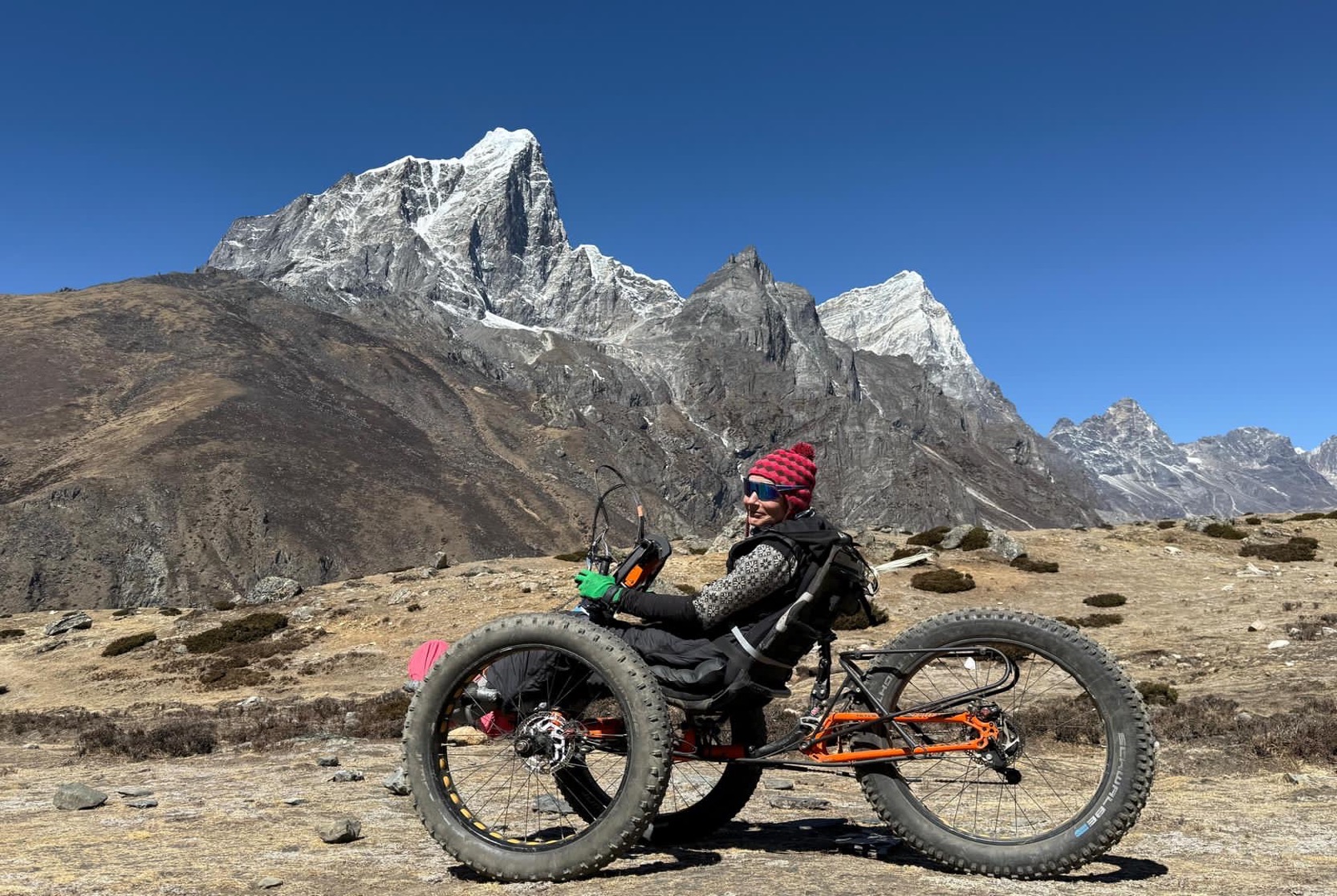
I grew up with camping and walking. My parents were both teachers, so they had really long summer holidays. We used to just go camping for the whole holiday around Europe, into the Alps, but also North Wales and the Lake District. It was six weeks, every summer, just living in tents where the grass was our carpet.
I grew up in West Yorkshire and we had an ‘Activities Week’ at school. We did things like going climbing in the Yorkshire Dales or caving. Nature and adventure were integral parts of life.
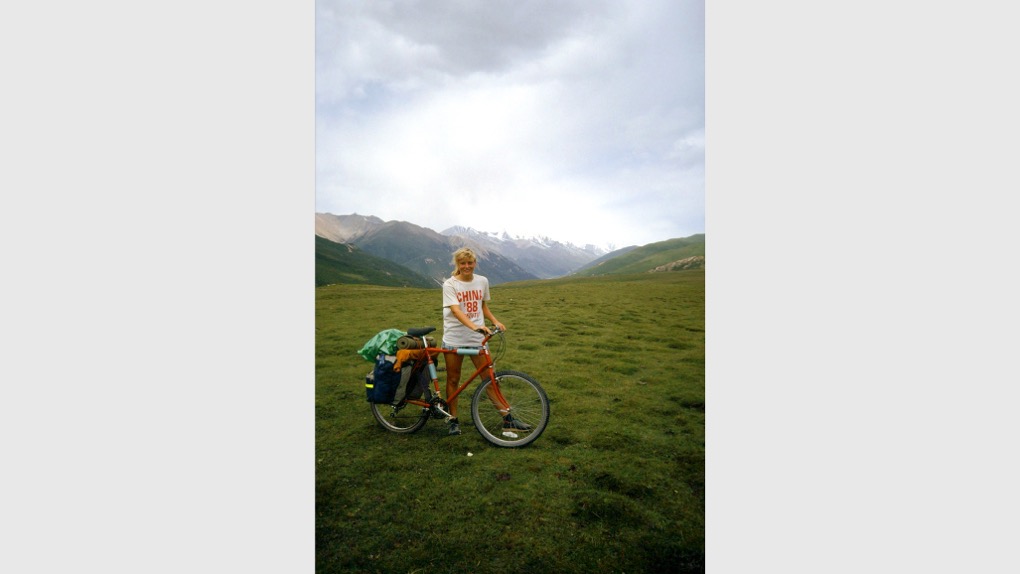
When I was 16, I saw a poster for an expedition to China with the Yorkshire Schools Exploring Society. I was at a state school, and my family didn’t have the money for something like that. But two friends encouraged me to apply for the selection weekend anyway – just to see what happened.
It was a rough-and-ready weekend in the Dales: navigating in the dark, sleeping in bivvy bags, eating whatever we could carry. Somehow, I was selected. My parents were incredibly supportive. I still remember sitting with my mum brainstorming ways to raise the funds. I got a part-time job selling linen at house parties and chipped away at the cost, one small effort at a time.
We had training weekends every month, and I chose to join the mountain biking group.
Role models
There was a guy called Andy Middleton who led our mountain biking group. He was patient, inspiring, and believed in us all. The way he encouraged us helped shape my sense of what adventure leadership could look like.
There were also teachers at school who took us caving and climbing –everyday people, much like Scout volunteers, who gave their time to open up the world for us. Those early role models lit the spark that made adventure such a formative part of my life.
A life outdoors
I originally went to university to study medicine, but after four months, I gave it up. I switched to geology because I wanted to be outdoors, working in wild landscapes.
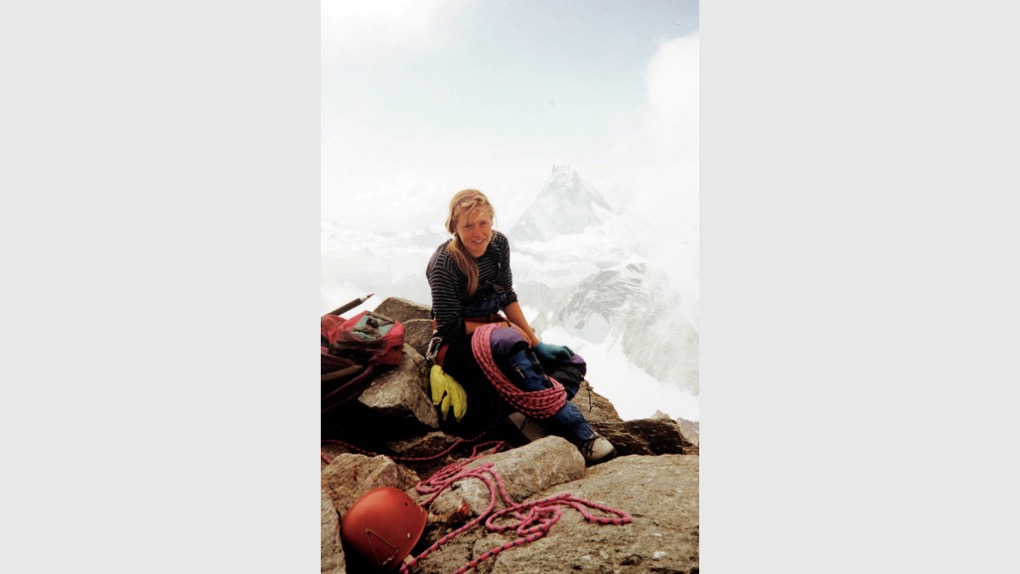
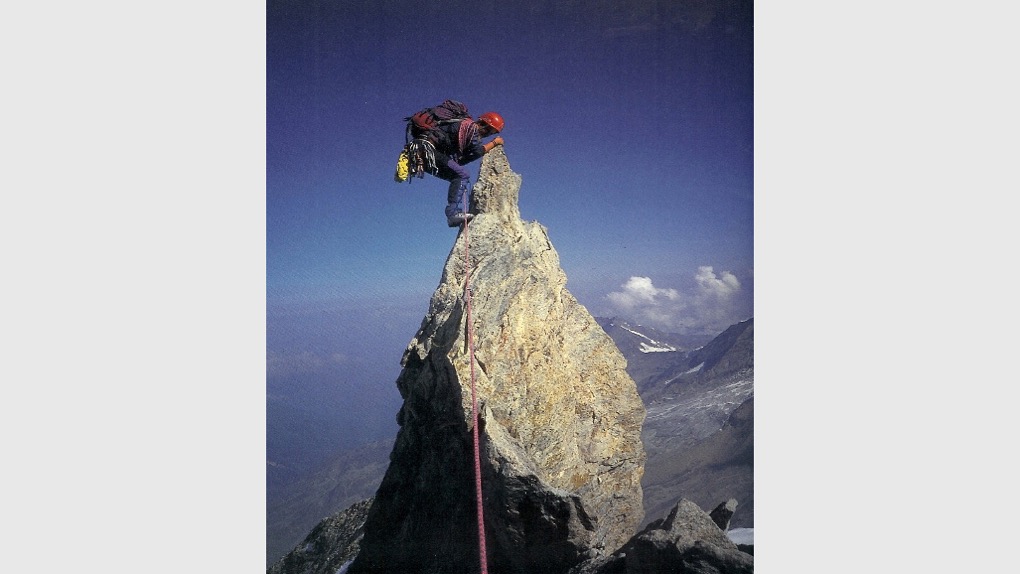
Then I had my accident. I fell while climbing, and became paralysed. I could no longer work in the field easily, so I ended up in an office job, staring at screens for an oil and gas company. I was miserable indoors. Eventually, I walked away from that life and went back to what I loved – climbing and exploring. There’s something magnetic about summits. They always call to me.
After the accident, cycling became my simplest way to move. I could do it alone, or alongside others. It could be intense, or just peaceful – gliding through nature at my own pace. A simple joy for me is just to hope on my bike.
If you're outdoors, the weather isn't always kind. Things go wrong. You're always problem solving and you're always needing to dig a little deeper into yourself to find resources to keep going. That’s where the growth lives.
What it felt like to win gold in Rio, 2016
It’s funny, because it wasn’t obvious! I won it in a race called the time trial where you set off at one-minute intervals. Then you have to wait until everybody's finished to find out the result. I honestly just didn't think I'd done what I'd hoped. My shoulder had been injured the week before and I'd spent a week in bed and not really been able to train properly.
Halfway through, my chain came off, and I had to stop and fix it. I remember thinking, 'There’s no way I’m even making the podium now.'
All we can do is the best that we can in each given moment and that's what I knew I'd done. Then the team managers just screamed GOLD! I couldn’t believe it. I was in total disbelief.
People asked me afterwards, 'What are you going to do next?' It felt like a strange question. I didn’t win gold to stop. I love cycling. So, I just kept going.
That’s when the idea came: to ride my bike across all seven continents. And that journey went on for years.
Quest 79
I realised I’d won the 79th Medal for Britain in Rio. Then someone pointed out to me that 79 was the atomic number of gold, which I'd forgotten. And then this number just kept appearing.
So, I started Quest 79 – inviting people to step out of their comfort zone and see if they could find some inner gold. Lots of people have been doing little projects related to number 79, whether it's 79 wild swims or planting 79 trees, or 79 acts of kindness or running 79 kilometres.
Moray Scout Group for example, hiked 79 miles along the Great Glen Way. I met them at the end as they came into Inverness and they all jumped in the canal to celebrate. I chatted with two of the girls, who were about 13, and asked them what was the hardest bit? They described being on this hill on their bikes and being exhausted and they just thought they couldn't do it. Then I said, 'What was the best bit?' And then they looked at each other and laughed, and said, with surprise, that it was the hill.
Often, the hardest bit is also the best bit.

I believe the outdoors introduces us to parts of ourselves we might never meet otherwise. It teaches resilience, reflection, courage. You learn to trust your instincts, rely on others, and dig for strength you didn’t know you had. That’s what it means to find your inner gold.
Karen Darke