10 top tips for running Scouts in a hospital
Did you know you can run Scouts in a hospital? It's a fantastic way to bring the joy of Scouts to young patients, giving them something to look forward to during their hospital stay.
As you might expect, running a hospital Scout Group is slightly different to a usual Section night.
It's an incredibly rewarding experience that gives young patients an opportunity to be creative, have fun and spend time with others their own age during their hospital stay.
By running activities that include young people with different needs, we can bring the joy of Scouts to those who need it most.
From speaking with volunteers who've done it before, here are our 10 tips for running Scouts in a hospital.
10 tips for running Scouts in a hospital
Work with your Scout District and County from the start. Their support will help get things up and running smoothly.
Connect with hospital staff, play scheme teams, hospital volunteers and any hospital charities. They’ll be key to making the Group a success.
Contact the Support Centre to find out how to join a network of Scouts’ Hospital Group volunteers.
Hospital Groups don’t collect subs or count towards Scouts' annual census. So, it’s easier to ask your District or County to form your Executive and manage governance.
Other Scout Groups might have useful advice or resources to help you set up your programme. Don't be afraid to ask!
One of the biggest challenges is finding space for activities and storage in the hospital. Plan to make sure you’ve got what you need.
Staff turnover in hospitals can be high. Posters, word of mouth and a regular bulletin can help spread the word.
Every week will be different. Numbers will change, and you'll need to adapt to hospital rules.
Young people will have different support needs. You may need to run bedside activities for those who can’t leave their beds. Being open-minded, flexible and patient is essential.
Since you'll need to be flexible in a hospital setting, it's especially important to work as a team and communicate to keep the Group running smoothly.
Always make sure you’re following safeguarding policies in the Group’s setting. Take a look at our Yellow Card.
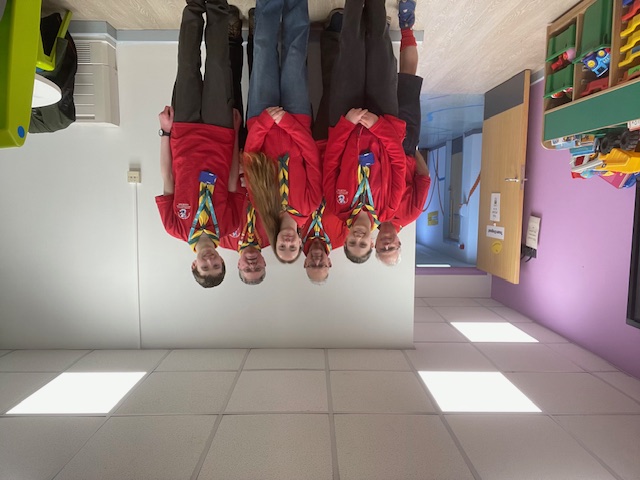
Thursday nights at Sheffield Children's Hospital
We chatted with a group of volunteers who are already running activities for young patients.
Neil, the Group Lead Volunteer, said the greatest benefit is to the patients' health and wellbeing. To begin with, Neil was supporting the Group through his County role, but loved it so much that he decided to take on a permanent role.
Find out how Sheffield Children's Hospital Scout Group are getting on