Meet Luke, who taught his Cub group all about Tourette's syndrome.
Luke’s an 11-year-old Scout. He also has Tourette's syndrome.
Tourette's syndrome is a condition that causes a person to make involuntary sounds and movements called tics. People with Tourette's syndrome have a combination of physical and vocal tics.
For some people, tics are not always visible. For example people can experience internal tics, such as stomach clenching and thought tics.
Having a tic is hard to control. The motor and vocal tics of Tourette’s are involuntary, meaning that people don’t do the tic on purpose. Tics can be worse on some days than others, too.
At times, Luke worries about how people would react to his tics, especially as they evolved from non-verbal to verbal.
Despite his fears and anxiety that comes with this, Luke’s never given up, showing lots of courage by making a decision to give a talk during his time in Cubs about his condition.
We caught up with Luke and his mum, Karen, to find out more.
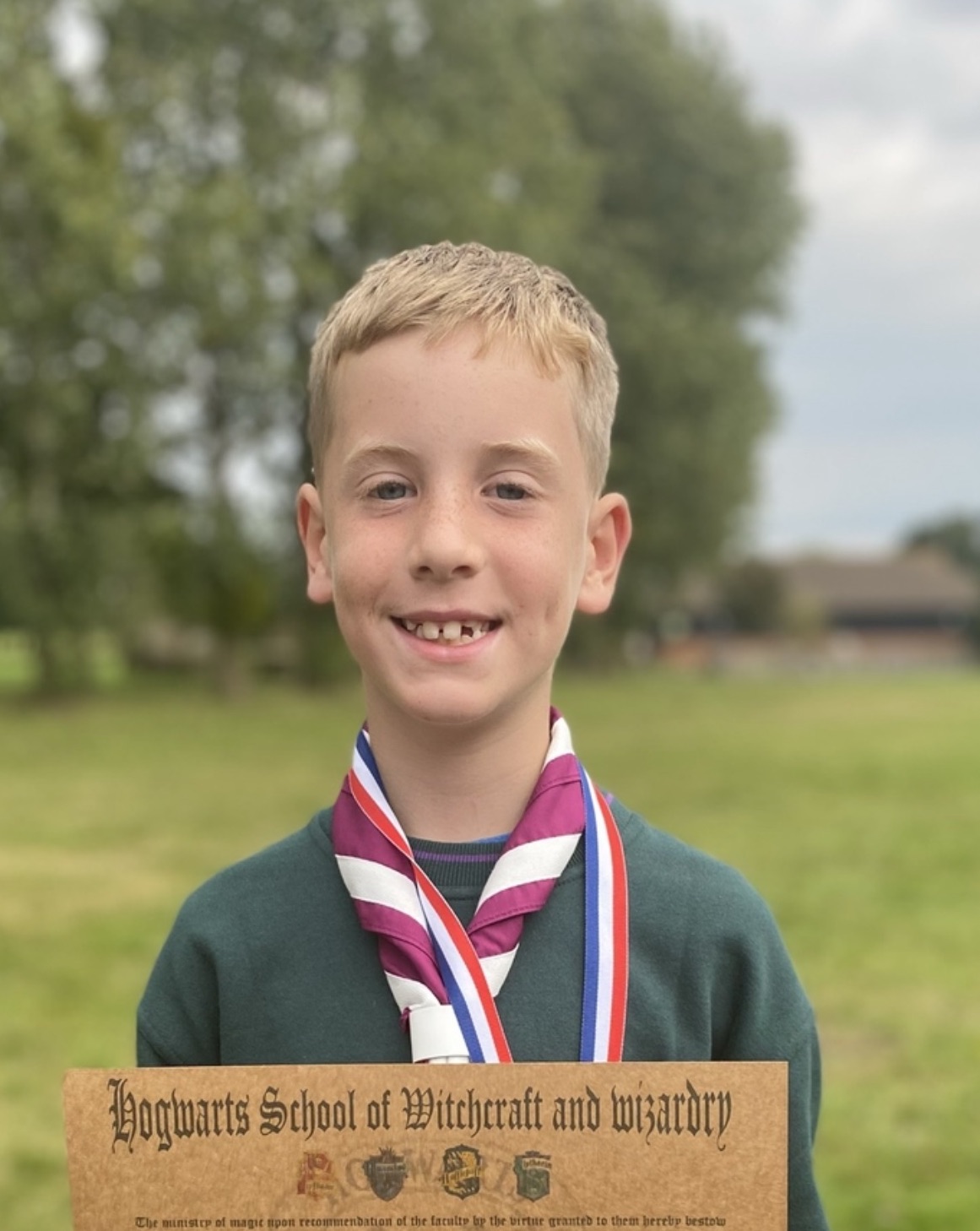
Hi Luke! Can you tell us a bit about yourself?
I’m Luke and I’m 11 years old. I have Tourette’s, autism and ADHD. I love playing football and playing online games with my friends.
What do you like doing at Scouts?
I like to explore and make food. I love going on camps and having marshmallows around the campfire.
What’s it like having Tourette's?
It’s annoying, because you don’t know when or how many times each day you’re going to tic. It can be painful and my neck tics are my worst for pain. My tics can also be funny sometimes too, like when I mimic other people. I’ve said that if I laugh at my tics, my friends can too, but you shouldn’t laugh at a person having tics or Tourette’s
We know you spoke to your Cub pack about having Tourette's. Why did you decide to talk to everyone?
I wanted everyone to be aware that I have it, so they knew and weren’t wondering where the squeaks were coming from in the tent at night.
What was it like speaking to everyone?
I was nervous, but everyone was calm and understanding.
How have you felt since doing the talk?
Since doing my talk, I feel more confident about having tics in front of the group. Everyone knows about it, so they aren’t wondering what I’m doing. I’m happy to do another talk for the Cubs as part of the Disabilities Awareness badge too.
How do your friends and Scout volunteers help you at your meetings?
Everyone at Scouts is always supportive and understanding. The leaders are always friendly and laugh along with me if my tics are funny, which makes me feel more relaxed. They’re also really good at knowing when I'm struggling and I can pop out of the hall if I feel the need to. We always let them know of any new tics, so they know if I’m struggling with anything in particular. My eye tics were really bad one night, so I didn’t do the knife work that night, but did something I’d find easier. I then did the knife work the week after, so they’ve been amazing with helping me with the activities too.
Ways to support someone with Tourette’s
You should avoid commenting or reacting to the tics, too. This may worsen the tics and make the person feel upset, distressed, or ashamed.
Always talk about what’s best with the person and, if they're a young person, their parents or carers. They might have things in place at school, home, college or work that works they could replicate at Scouts. Take a look at our guidance on working with parent and carers to find out how to start a conversation.
Make sure any medication is stored safely and securely during sessions or on Nights Away, if needed. Take a look at our guidance on medication.
Speak to the person to see if there’s a comfortable seating arrangement they’d prefer during the meeting. Some may need to exit frequently, so sitting near the door and having permission to leave might be helpful.
Always let the person work in a position that they feel comfortable with.
Depending on the person’s tics, you may want to give them more space if someone has a touching tic or large motor tics involving limbs.
Make sure to allow give people more time to complete tasks if they need or want it. For example, you could offer one main activity, with some smaller activities provided for if anyone finishes quickly. This makes sure everyone has a chance to complete the main activity.
All volunteers should make reasonable adjustments so that Scouts is inclusive and accessible to everyone. There's a lot of flexibility in Scouts and in our programme to make sure all young people can enjoy the adventure. This includes flexibility in badges and awards.
For example, if handwritten work has limitations due to tics, always allow use of alternative means of work, such as for badge work. People could use keyboards, record video or audio, make a collage or have a friend write for them.
You may want to have a more private area or break-out space, especially at events and camps, where people can feel comfortable to go if things get too much. Always follow the Yellow Card.
Some people can control their tics for a short while in certain social situations, such as in a classroom. However, it requires concentration and gets easier with practice, but controlling tics can be tiring. A break space can offer rest or privacy.
For longer sessions or projects, make sure they’re in smaller chunks or divided into shorter manageable tasks, with plenty of scheduled breaks.
Look out for and prevent teasing or bullying. For example, this might mean talking to everyone about the code of conduct for your section or having extra adult supervision in unstructured or less structured settings, such as free time.
Repetitive large muscle tics and attempts to suppress tics can cause fatigue, which may need an increase in calorie intake. Always allow the person to take breaks and you may want to ask them if they want to bring snacks. Similarly on camps or events, allow for snacks between meals and offer a break-out space, especially during or after more active games.
If possible, and only with the person’s consent, you may wish to run a talk or presentation to raise awareness about Tourette’s Syndrome. This also lessens pressure on the person to explain or disguise tics, which may be helpful in itself.
Remember, this can be led by anyone. The person with Tourette’s Syndrome may not feel comfortable to talk or contribute. It’s up to them how involved they are happy to be, whether that’s lots or not at all.
Any situation that is very quiet, for example Remembrance, may cause extra stress. You may wish to offer alternative activities during this time or have a comfortable space people can move to if they wanted to.
Another example of a stressful situation for some people can be public speaking or reading aloud, especially when vocal tics are bad. You may wish to find an alternative, such as just one person reading.
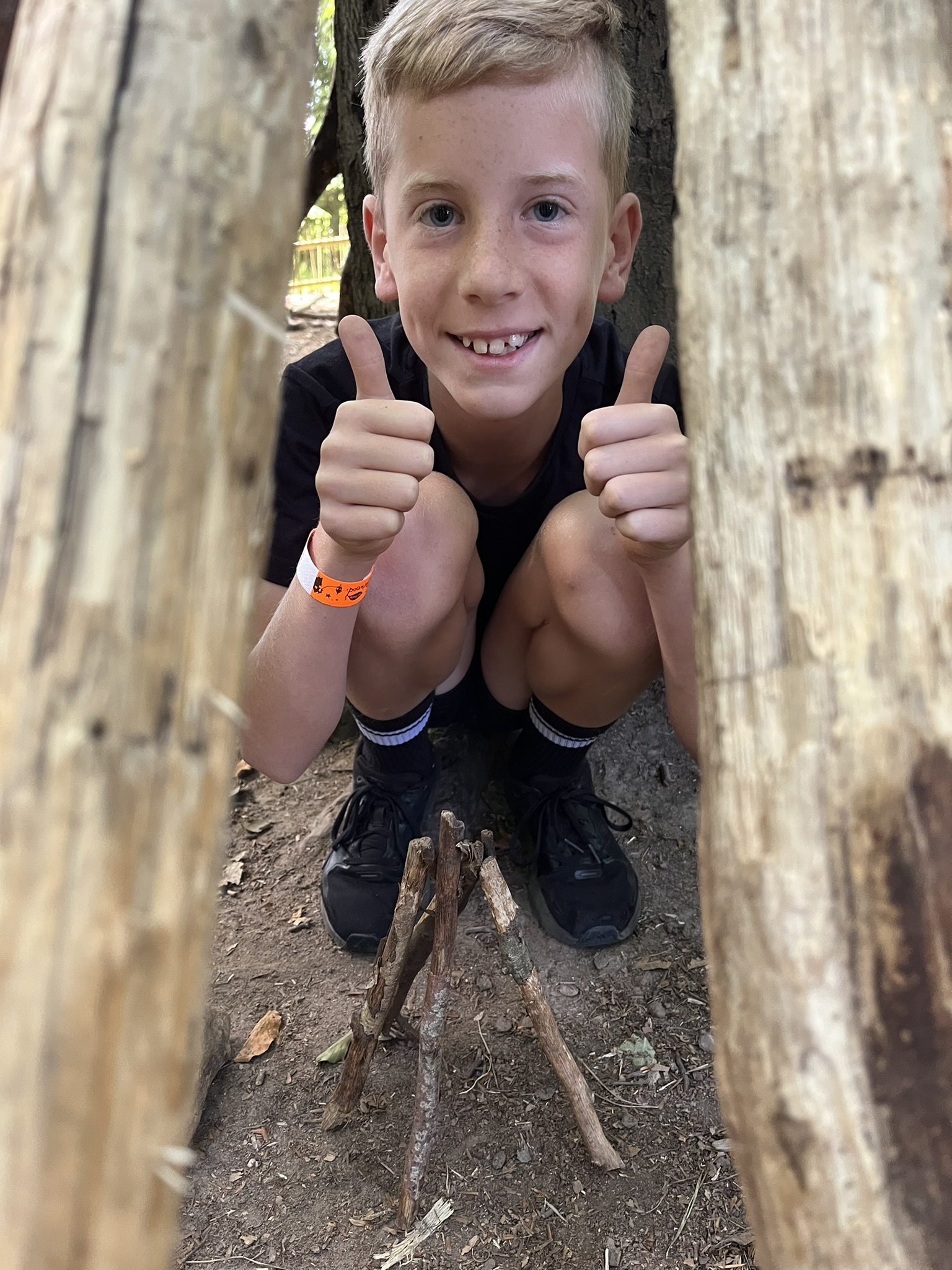
You may wish to have a non-verbal response for people to use to feedback, such as thumbs up or thumbs down. You could also ask closed-questions, which can be responded to by nodding and shaking the head. People could also write down and hold up their answers on a whiteboard, or they may work with a partner who can help them.
The attention that tics can attract, along with the feeling of being different from your peers, can often result in low self-esteem. Rewarding people with praise for good work, good behaviour or overcoming personal challenges can be an effective way to motivate and give them a sense of achievement.